When Civilian Control of the Military Gets Complicated
August 2026 Imperfect Union
Part II: The Whiskey Rebellion to Ulysses Grant, and Why It Matters Today
Welcome to Part II of the Civilian Control of the Military series! We are going to start with the Whiskey Rebellion during Washington’s presidency. If you missed it, you may wish to start with part one, which covers the Revolution and the founding of these principles.
In 1791, Congress needed money. It had enormous debts to pay from the Revolution and increasing costs. It passed a Whiskey Excise Tax, which seemed like the most politically advantageous tax. It didn’t affect imports or exports, which might affect fragile relationships with foreign nations. It wasn’t a sales tax, so it didn’t hit poorer classes particularly hard. And it didn’t require door-to-door tax collection, which had proven intensely unpopular two decades earlier.
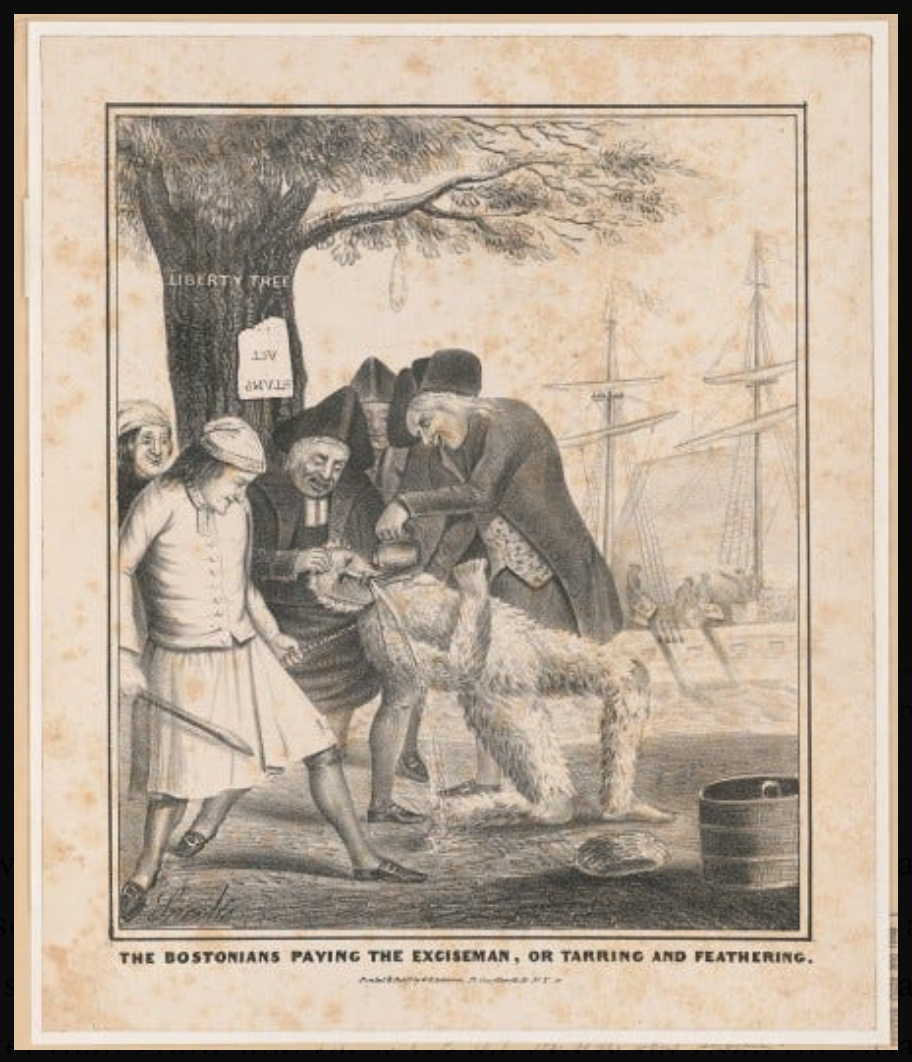
A political cartoon during the Stamp Act protests, in which Americans made their feelings about taxation well known.
However, the excise tax hit western regions particularly hard because those regions tended to distill their excess corn and grain at higher rates. Whiskey was more shelf stable, easier to transport, and easier to barter than grain, and these regions were far from the Atlantic coast ports. They didn’t yet have reliable access to the Mississippi River for trade, so everything had to go over the mountains to market.
The resistance started peaceful: a series of protests, petitions, meetings, etc. My favorite response belonged to Kentucky, which steadfastly refused to acknowledge the existence of the tax. Over the next couple of years, Secretary of the Treasury Alexander Hamilton increased the incentives to try and bring Kentucky into compliance and it just remained intentionally ignorant.
In the spring of 1794, the resistance in western Pennsylvania turned violent when rebels burned down the house of a tax collector and exchanged gunfire with federal officials.
President George Washington had four options: 1) convene an emergency session of Congress (Congress was out of session any time anything interesting happened in Washington’s administration) 2) wait for Congress to come back in November, which gave the rebellion a long time to burn 3) leave it to Pennsylvania to deal with 4) Use the authority granted to him under a recently passed militia act, which permitted the president to call up the militia in the event of a foreign invasion or domestic insurrection, when Congress was out of session, and only after submitting evidence to a Supreme Court justice that this step was necessary.
Washington gathered his cabinet and they quickly decided on option 4. But first, they sent negotiations out west to seek a diplomatic solution. When that mission failed, which they expected it to do, Washington summoned the militias of five states and marched west to meet them in Carlisle, Pennsylvania. He reviewed the militias, then turned around and rode back to Philadelphia.
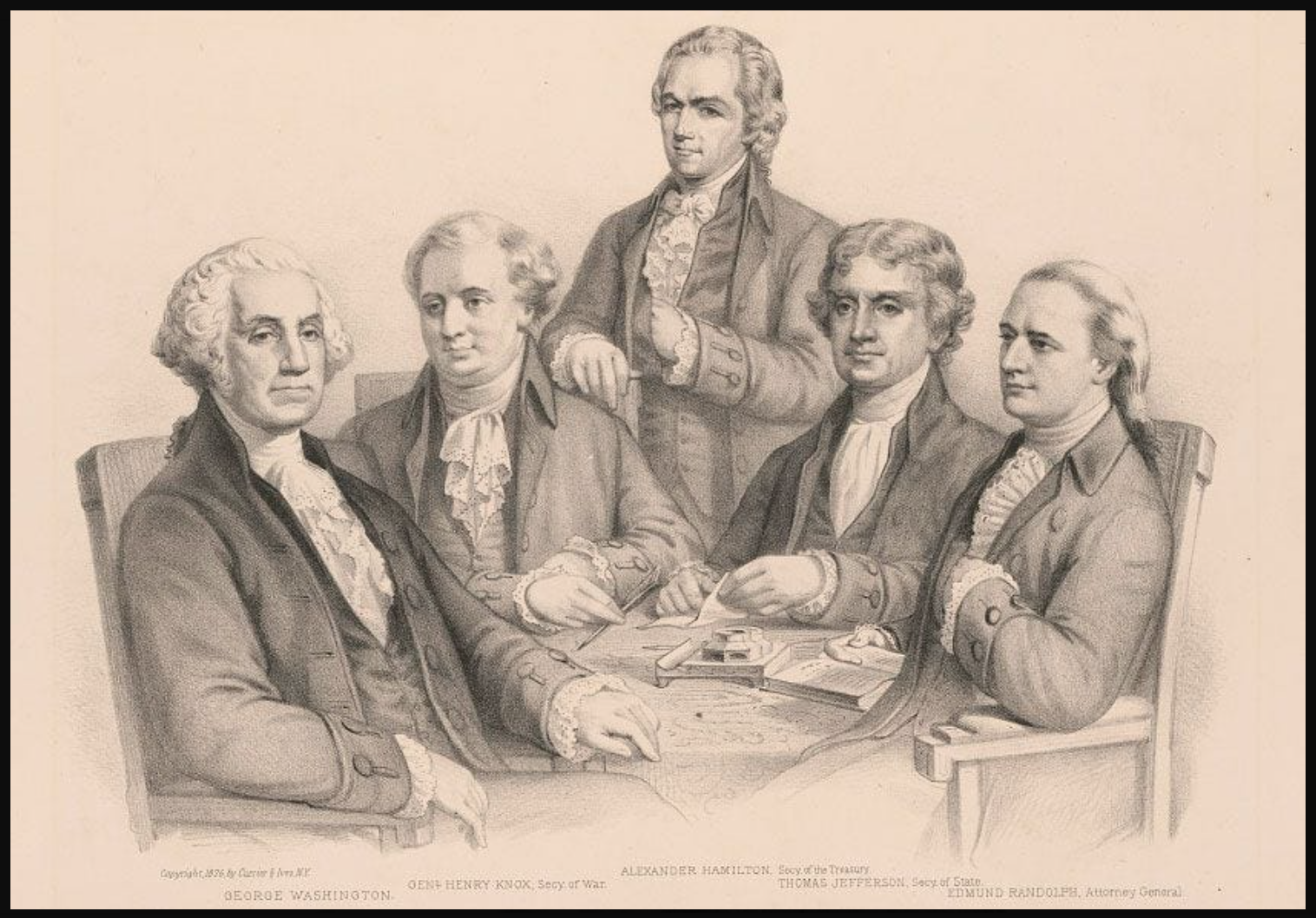
Washington left the forces under the command of Alexander Hamilton and “Light Horse Harry” Lee. They rounded up all the rebels they could find, though most dispersed when met with federal resistance. Most cases were dismissed due to lack of evidence, and Washington ultimately pardoned the rebels convicted of treason. The purpose of the federal intervention was not vengeance or punishment, but rather to protect the government’s right to pass and enforce tax legislation. Once the rebels had acknowledged wrongdoing, accepted responsibility, and sworn an oath of loyalty to the Constitution, Washington could offer mercy. Many of the rebels were Revolutionary War veterans, which may have played a role as well.
This moment offers several key lessons for civilian control of the military. First, Washington sent a peace commission before deploying force. The decision was good political optics, but it also maintains a careful balance between the populace and the military. In a republic, the decision to use force against citizens is always tricky. Exploring all options before taking that major step is essential.
Second, the Militia Act authorized the president to call up the militia, not to send the regular army against the people. This decision has obvious revolutionary undertones, as many Americans in the 1790s remembered the British regulars stationed among them. But the militia is also made up of and accountable to the American people in a more direct way. Therefore, Washington’s use of the militia offered an extra level of accountability to the American people.
Finally, this portrait reveals, or perhaps obscures, Washington’s most important choices. Washington did not lead troops into battle as president. If you ever hear that trivia fact, you tell them in no uncertain terms they are wrong!
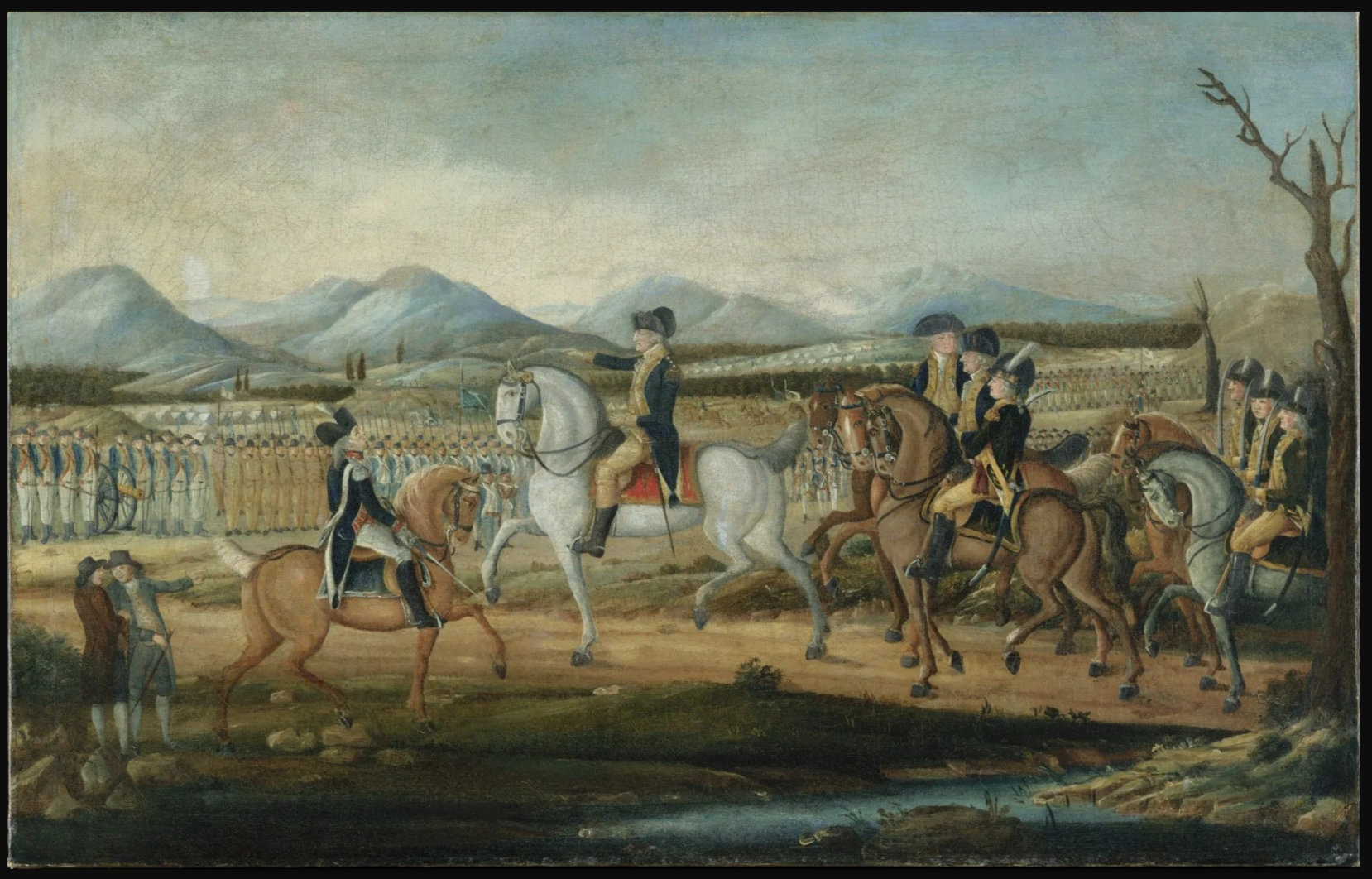
Washington’s major decisions were intentional and carefully considered, but he rarely wrote why he did something. In this case, my best guess is that he did not want to be seen marching on and arresting his own citizens.
Additionally, I am almost certain he did not wear a uniform. Keep in mind this painting was completed after the fact. Washington wore a suit as president, usually linen or homespun in the summer, and velvet in the winter. I am convinced that if he put on a military uniform for the first time in six years, someone, somewhere would have said something. I have found no letter, nor a single mention in a newspaper about a uniform. It’s not definitive proof, but pretty close.
A suit also coincides with his other explicit decisions as president, including his decision to reject a military parade. He was not a military commander leading his army into battle. He was a civilian leader executing the laws of the land. That distinction made all the difference.
You can read more about the decision-making process and the political wrangling with Pennsylvania in Chapter 7 of The Cabinet: George Washington and the Creation of an American Institution.
I also wrote about how this Militia Act is the precursor to the Insurrection Act (and gave a primer of this act) here.
Since Washington, the concept of civilian control of the military has remained a tricky one. In Making the Presidency (which I noticed is on crazy sale right now when I went to snag the link), I wrote about how John Adams had a devil of a time enforcing civilian control of the military when Washington was alive. Washington came perilously close to destroying that balance he had so carefully crafted.
As we speak, I am currently writing a chapter in my new book on John Quincy Adams that explores the acquisition of the Floridas from Spain. One of the key factors in those negotiations was Andrew Jackson’s invasion of East Florida. Perhaps he intentionally ignored orders or perhaps there was a misunderstanding. The truth is probably somewhere in the middle, but Secretary of War John C. Calhoun was quite certain that Jackson had defied presidential authority and was flouting civilian control of the military. Perhaps more on that soon.
There are many examples of civilian control of the military working - usually we don’t learn about those. There are a handful of notorious examples of failure. General Douglas MacArthur’s career is a pretty good example. I exaggerate, but only slightly.
I’d like to highlight one more moment, which complicates this issue and forces us to ask some hard questions. I knew about the battle between President Andrew Johnson and Ulysses S. Grant, but I had not thought about it through the lens of civilian control of the military until I read Kori Schake’s book (see link below).
When Andrew Johnson became president after Lincoln’s assassination, he quickly reversed course on many of Lincoln’s reconstruction policies. Secretary of War Edwin Stanton loathed Johnson and attempted to thwart his policies at every turn. On March 2, 1867, the Radical Republicans in Congress passed the Tenure of Office Act to prevent Johnson from removing Stanton and other Lincoln appointees, who had been approved by the Senate. [Side note, until this point it was largely a matter of precedent based on John Adams’s firing of Secretary of State Timothy Pickering. The Supreme Court upheld the president’s right to fire a cabinet secretary in 1926.
President Johnson elected to test the legislation and fired Stanton anyway. He then appointed Grant as secretary of war ad interim. On January 13, 1868, Congress ordered Stanton reinstated.
Grant was stuck between Congress and president whom he increasingly disliked. He could either disobey the president or the Senate, but could not please both. He ultimately reasoned that the Senate’s authority was supreme in peacetime and the president’s orders carried the day during war. Because the United States was at peace, he followed the Senate’s orders and returned the war department to Stanton’s control.
Later that year, as elections approached, Johnson had his eye on Maryland. He planned to send troops to help Democratic Governor Thomas Swann purge Republicans from voter rolls, but knew Grant would likely object. Johnson appointed Grant on a diplomatic mission to Mexico, hoping to get him out of the way.
Grant refused, suggesting that he was not prepared for diplomatic service “by education or taste.” He also argued that diplomacy must be “conducted under the State Department with which my duties do not connect me.”
Grant steadfastly remained in DC, even canceling personal travel plans, to ensure the army could not be used in elections without his supervision. Johnson backed down because Grant was simply too popular to fire. Unsurprisingly, Grant won an overwhelming victory in the presidential election that fall.
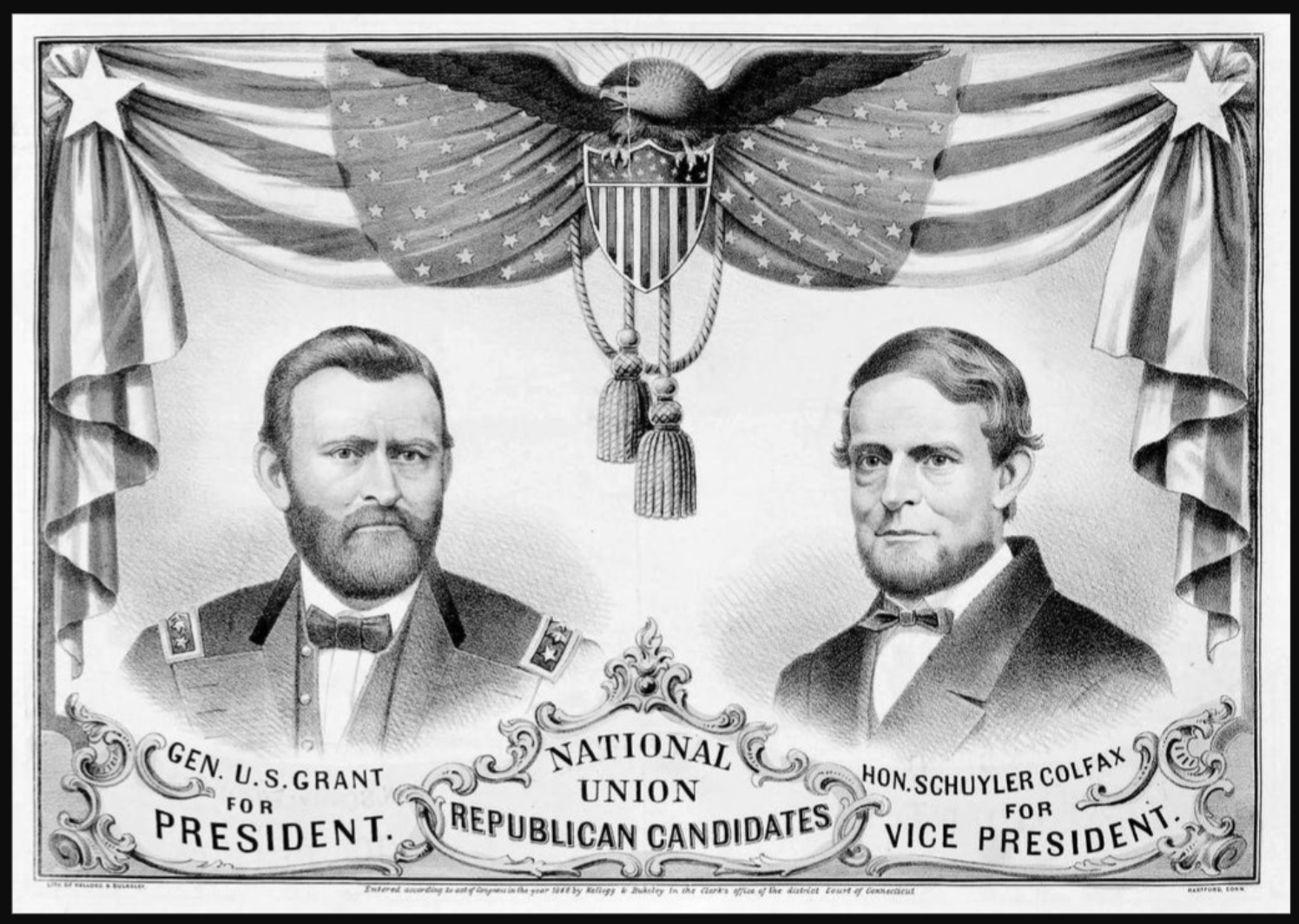
This clash suggests important dimensions to the civilian control of the military equation. In theory, Grant was insubordinate. We wave it away because Johnson was so objectively terrible as a president. Truly, just awful. But should we?
It also raises the question of Congress’s role in civilian oversight. The Constitution very explicitly split war powers between the two branches. The president commands the military, but Congress pays for it, oversees its expansion, and regulates it. As Congress has increasingly subordinated itself to the executive, civilian oversight in the legislature has decreased from view.
So what does that all mean for today? What does it mean to honor and respect civilian control of the military and what do we need to do to ensure it survives for the next 250 years?
First, this concept must remain a founding principle taught to the military and then drilled and re-drilled at every level. From my conversations with military leaders, I know that this tradition is something they cherish and that’s why history remains essential to military training.
Second, as my final example demonstrates, civilian control doesn’t just mean presidential control. Yes, the president is the commander-in-chief. But Congress has a substantial role over rules, regulations, finances, and supplies. In real practical terms, they also serve a protection function for the military. Is military leadership serving their troops well? Is the administration adopting sound policy? Are resources being deployed effectively and wisely? These are questions the Constitution obligates them to ask.
Finally, since the military became a volunteer force after the end of the Vietnam War, a tiny percentage of the American public serves. Service tends to be inherited, with generations of family members following in their ancestors’ footsteps. Most Americans don’t have to think about the military on a daily basis. That is a privilege most of us enjoy, but I think it is also a pernicious trend. It forces a small community to bear the cost and obscures the real challenges faced by military families. But it also causes most Americans to think of the military as a professional subject outside of their purview.
Yes, the American military is an extraordinary professional force and most of us have no business offering an opinion about munitions or naval carrier deployment. But we are the civilians. We must demand our representatives oversee the military force on our behalf. That is our responsibility and we must hold up our end of the bargain.
Additional Resources:
There is so much to be said on this subject and I seriously considered a part III of this series. But instead, here are some suggested resources for further exploration:
The State and the Soldier by Kori Schake.
Open letter from secretaries of defense on the importance of civilian control of the military.
A longer article backing up the above letter by Michèle Flournoy, a former under secretary of defense, Peter Feaver, who worked on the National Security Council and is a political scientist.
An interesting counterpoint on the concept as useful fiction.
Thanks for Your Service: The Causes and Consequences of Public Confidence in the US Military by Peter Feaver. I haven’t read this book, but added to the list, as it looks really interesting.
Congressional briefing on civilian control of the military by the American Historical Association. Note: the participants were bipartisan.
Last, but not least. Panel with Generals Dunford, Kelly, and Mattis, moderated by Rick Atkinson. This panel lives in my head, rent free. I happen to know it is also used in many military academies across the country.
A couple of final notes. First, how did we feel about the two-part series? Would you want more of them or stick to one-offs? Let me know in the poll below or feel free to drop a more nuanced answer in the comments. And I always welcome suggestions for topics/issues to cover!
Next, if you are new here, welcome! Next time, you will see an activity recap at the end of the post. On the 15th of each month, after my essay, I include links to podcasts, media, writing, etc.
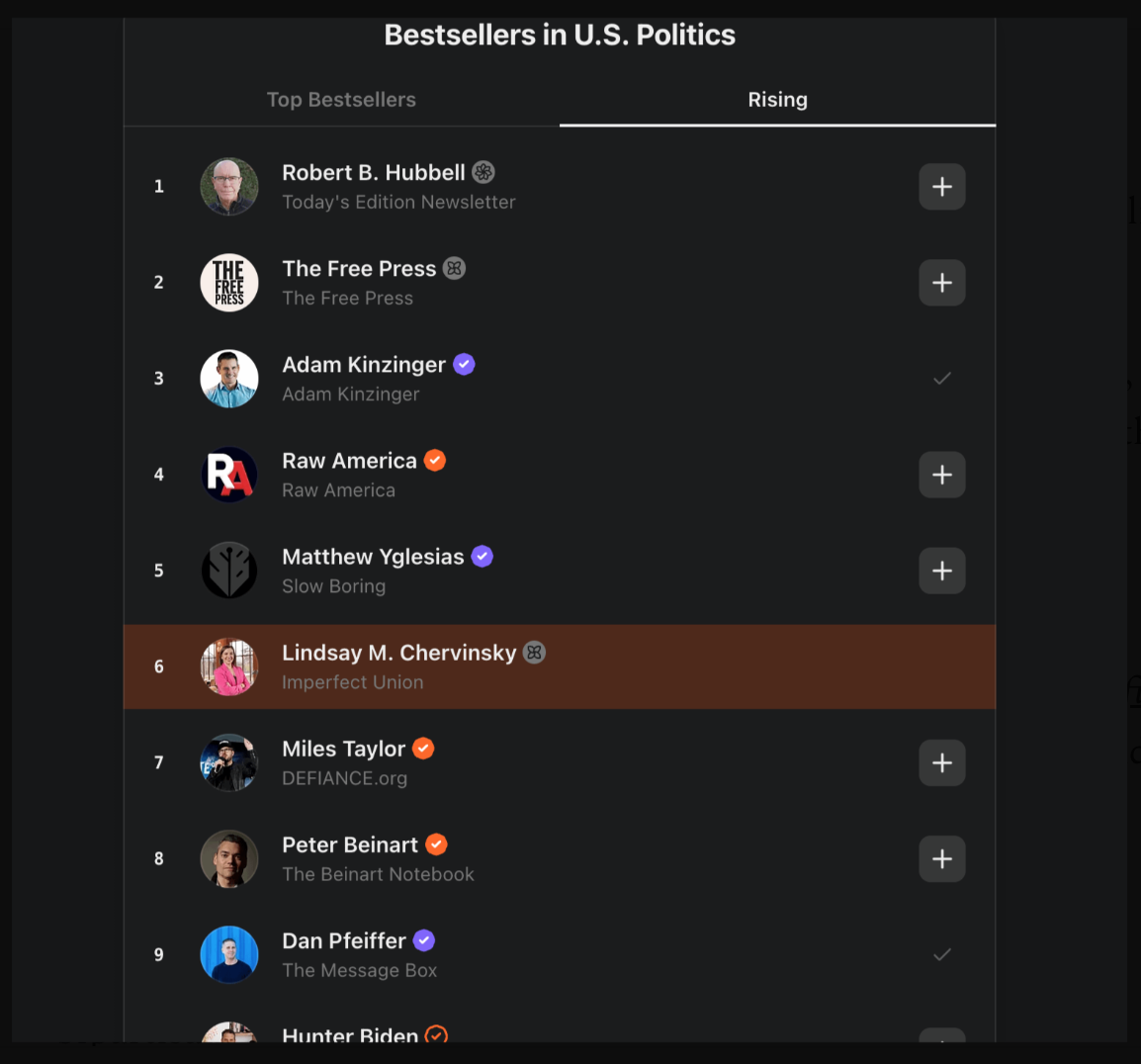
Finally, you may have noticed that I turned on the paid option. I explained my reasoning in the last post and I hope you will go back and read that if you haven’t. But if you pledged an amount long ago and wish to cancel it, no hard feelings! I am not trying to make money here, just increase the visibility of this newsletter. And it’s working, here was the rising chart yesterday:
Thanks so much for your support getting the word out. I am so glad you are here!