Civilian Control of the Military: The Founding Principle Most Americans Have Forgotten
July 2026 Imperfect Union
Part 1: George Washington and the Revolution
250 years ago, the Continental Army was waiting. A massive British naval convoy had sailed into New York Harbor at the end of June and the first British troops had landed unopposed on Staten Island on July 2. Over the next several weeks, additional armies and navies poured into the harbor. By mid-August, nearly 400 British vessels, roughly 30,000 soldiers, and 10,000 sailors had gathered. Attack was inevitable, it was only a matter of when. Over the next two months, Commander-in-Chief George Washington would order retreat after retreat, abandoning Long Island, Manhattan, and ultimately New Jersey by the end of the year. It was a dark moment for the army and the new nation. Nor would it be the last.
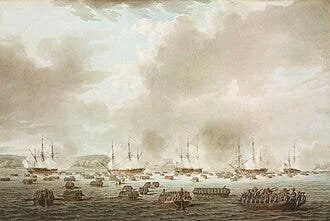
In those dark moments, military defeat, lack of supplies, and disease threatened the army’s survival—and therefore the survival of the fight for independence. But so too did a more pernicious enemy: the threat of military coup.
Over the course of the war, Congress occasionally granted Washington extraordinary authority in particularly bleak moments. He could seize anything and everything he needed to ensure the survival of the army. He did so sparingly, knowing that winning the military victory would mean nothing if he lost the war for hearts and minds. He then returned these grants of extra authority once the emergency had passed.
Although Congress could expand Washington’s authority, it was largely powerless to address its own shortcomings. Reform attempts during the war largely failed, leaving Congress without the power to raise money to purchase supplies for the army or pay the soldiers. When Congress seemed unable to fulfill its responsibilities, it was a natural temptation for the army to take over.
And yet, the military never has. That is no accident and has required an intentional, coordinated, and virtuous effort to preserve civilian control of the military since 1775. There are three pillars of our republic: civilian control of the military, rule of law, and peaceful transfer of power. If we lose one, we are no longer a republic. It is pretty important, therefore, that we understand what those mean and why they matter.
I’ve spent a lot of time talking about civilian control of the military in the last year and I have realized that it is something most Americans know precious little about. The military has not served much of a threat to the republic and so we get to ignore it as a critical part of the republic. This story is a long one and deserves significant attention, however, so I’m going to break it into two essays. Today, we will look at the critical moments during the Revolutionary War and early moments in Washington’s presidency. Part II will arrive in your inboxes and apps on August 1.
So where did it come from and how did we get here? Civilian control of the military started during the Revolutionary War, when Washington remained resolutely respectful of the Continental and then Confederation Congress. He deferred to their judgment and respected their authority even when they were oblivious and terrible. He traveled to report to Congress whenever summoned and invited the Board of War to inspect the army at winter quarters. That respect over eight years took constant and relentless vigilance given how annoying Congress must have been. That doesn’t mean he liked Congress or didn’t grumble privately—he did often in his letters. But he kept up a public appearance of respect.
There were also several moments when deference required more decisive action. In 1781, one of the regiments on the Pennsylvania line mutinied and marched on Congress to demand back pay. The Pennsylvania line was able to negotiate a settlement, but it inspired the New Jersey line to mutiny a few weeks later. Although Washington was sympathetic to the soldiers’ demands, he crushed the New Jersey mutiny and executed the ringleaders on the spot to prevent additional mutinies. These mutinies shook Congress to their core because the states had proven unable to come to its defense. The Pennsylvania militia had largely sided with the Pennsylvania line. As a result, when the Constitutional Convention gathered in 1787, the delegates included a clause for a federal district. Congress would control the district and thereby provide for its own safety.
Two years later, the army headquartered at Newburgh, New York had once again grown restless. Most soldiers and officers had not been paid in years and they had not engaged in serious battle since Yorktown. They were bored, mad, and dangerous. Washington got wind of a plot to force Congress to seize the authority to raise money so that it could finally pay the army. He gathered his officers on March 15, 1783, and offered brief remarks. He then opened out a letter to read to them and fumbled with the words. He pulled out his spectacles, which he never wore in public, and said “Gentlemen, you must pardon me. I have grown gray in your service and now find myself growing blind.”
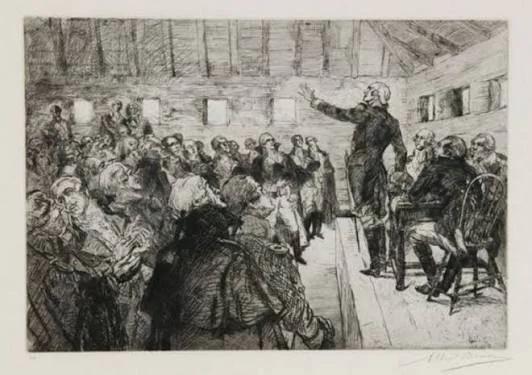
This bit of theatrical leadership worked because he had gone grey. You know those pictures of presidents from the beginning of their presidency to the end? Here is Lincoln in 1860 and 1865:
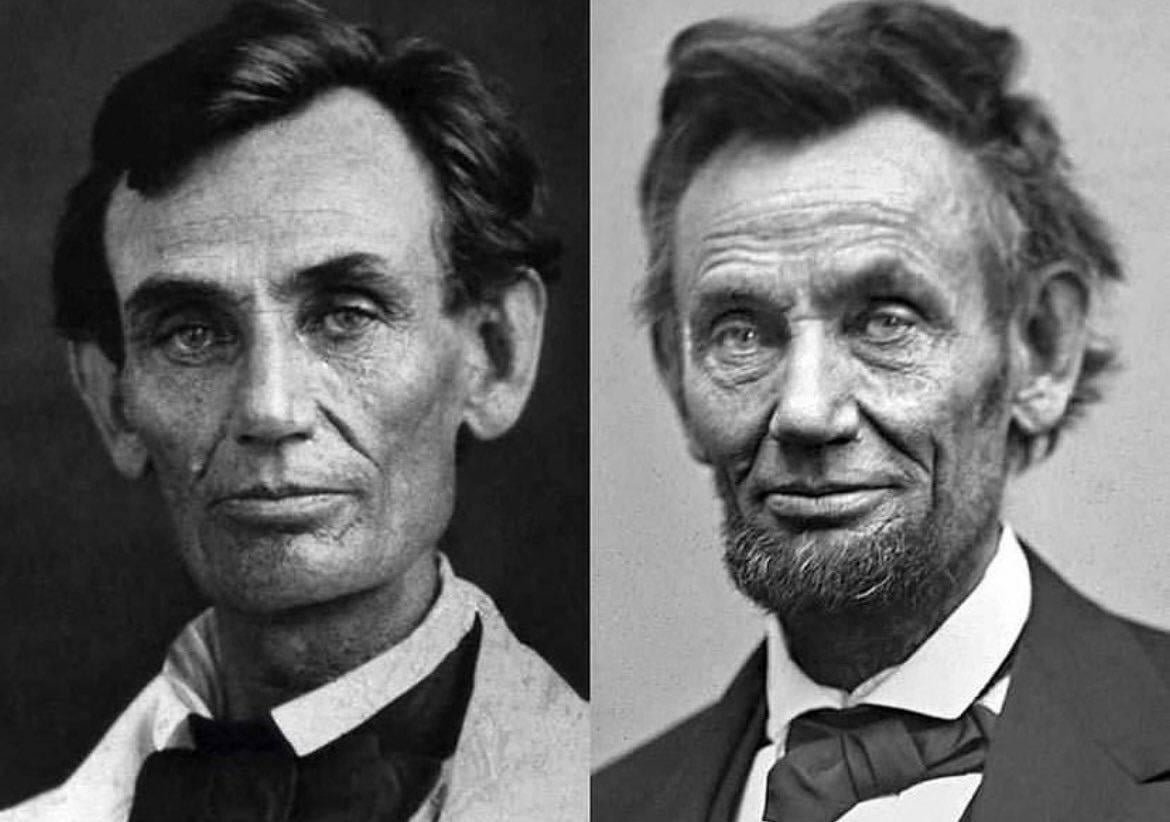
We don’t have photographs of Washington, but he was 44 when he took command of the army and he had light brown hair. He was young and vibrant. By 1783, he was grey. The soldiers had seen him age in front of their very eyes, so his comment about sacrifice hit home. The officers apparently began to tear up and the threat had passed.
Just in case it did not, however, Washington had his very large Major General of the Artillery Henry Knox standing guard at the door ready to court-martial anyone who did not swear an oath of an allegiance to Congress. A carrot and stick approach, if you will.
What made this moment remarkable was Washington’s explanation for why they would remain loyal to Congress. He was asking them to remain loyal to Congress, not because it was good at its job. (It wasn’t). He was asking them to remain loyal to Congress in order to be the first army in the history of man not to be a threat to democracy. That was a remarkable ask and demonstrated an understanding of the bigger principles behind the Revolution.
Kori Schake has written beautifully on the history of civilian control of the military and she really emphasizes this moment in her book, The State and the Soldier.
Washington’s final moment during the war that preserved civilian control of the military arrived on December 23, 1783. On December 4, Washington had said goodbye to his officers at Fraunces Tavern in New York City. He then traveled to Annapolis, Maryland, where Congress was gathered in the State House. The ceremony was planned: his arrival, his remarks, and the response offered by President of Congress Thomas Mifflin.
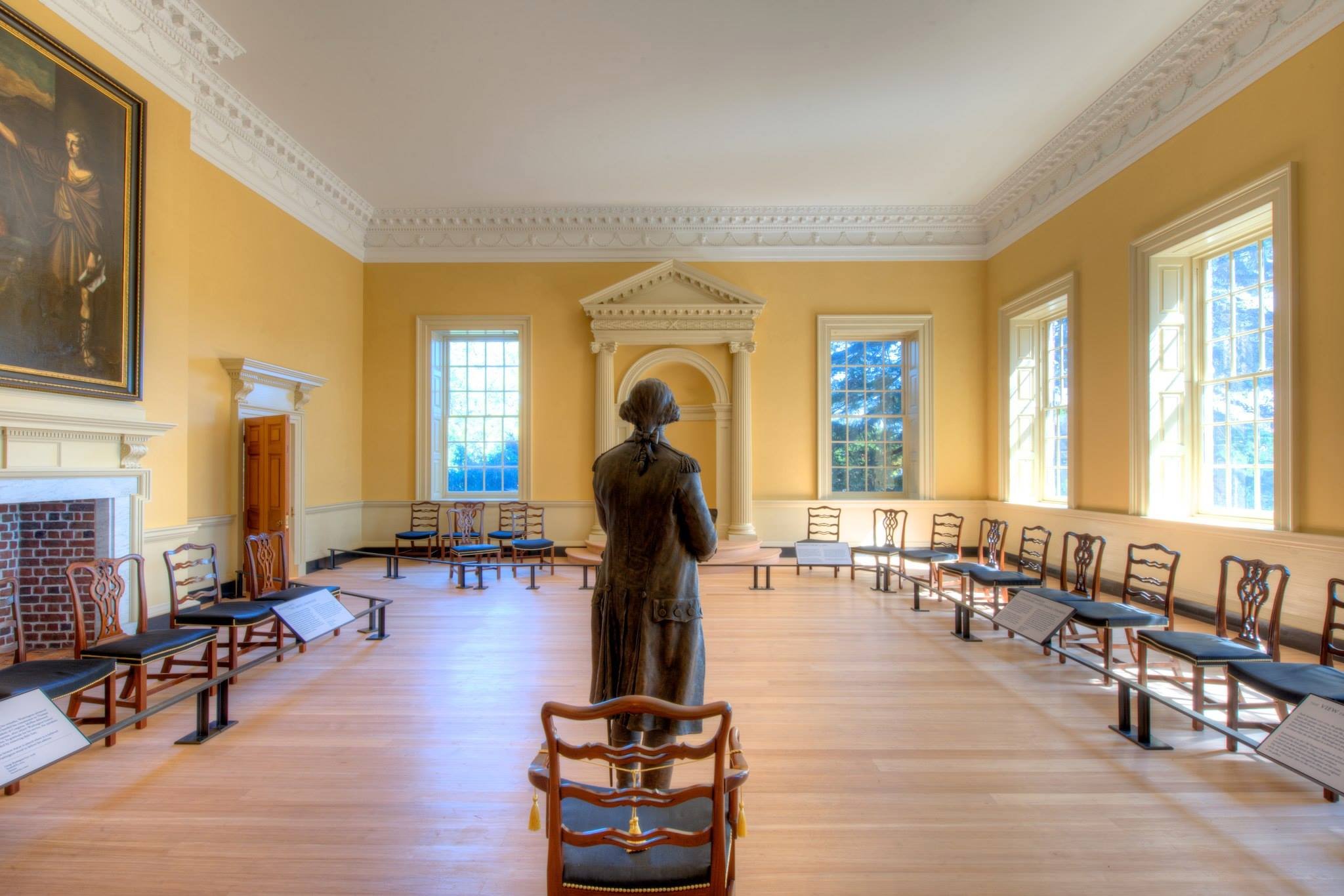
I think we have become a bit jaundiced over time to the radicalism of this moment. This was the age of military dictators and kings. Men did not give up power. The history of armies and the history of republics were replete with examples of armies seizing power once the civilian government proved ineffective.
Earlier that year, Washington had written a circular to the states, recommending a series of reforms. He knew Congress was ineffective; he doubted it would work long term. And yet, he gave back power to that bumbling legislature anyway. It was a revolutionary act.
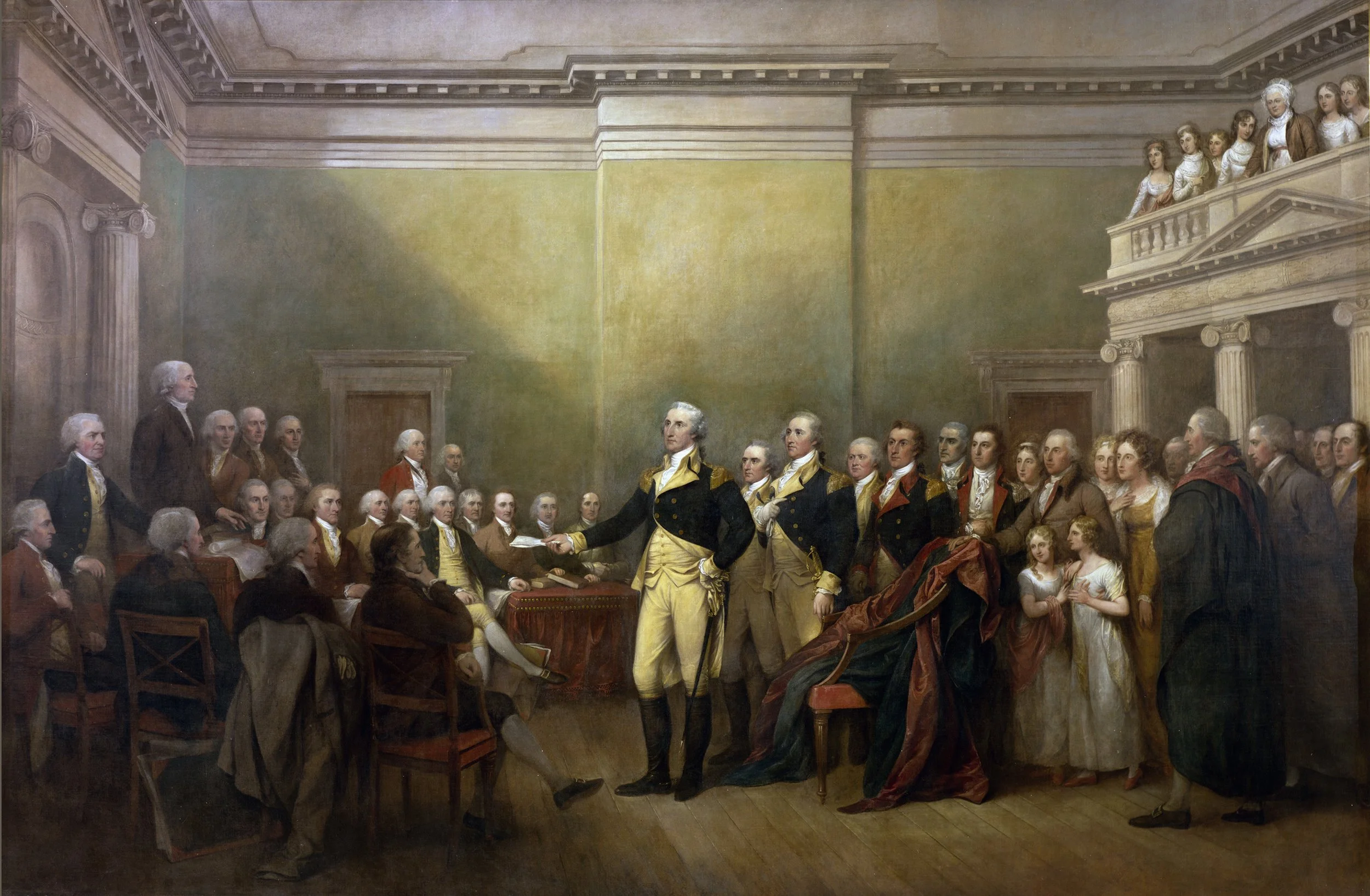
I don’t share this history to glorify Washington. Goodness knows there is plenty of complicated history there too. In Part II, we’ll discuss how he got perilously close to destabilizing this careful arrangement he had so meticulously created. But I think it’s worth pausing and reflecting on this moment as one where it could have so easily gone awry. If I were to pick one moment worth celebrating (perhaps instead of a birthday?), it would be this one.
A few years later, once Washington was back in office, he made several gestures during his presidency to draw a sharp contrast between war-time leadership and a presidency during peace. Last year, I wrote about the history of military parades and I touched on the subject of civilian control of the military. You can read about that here.
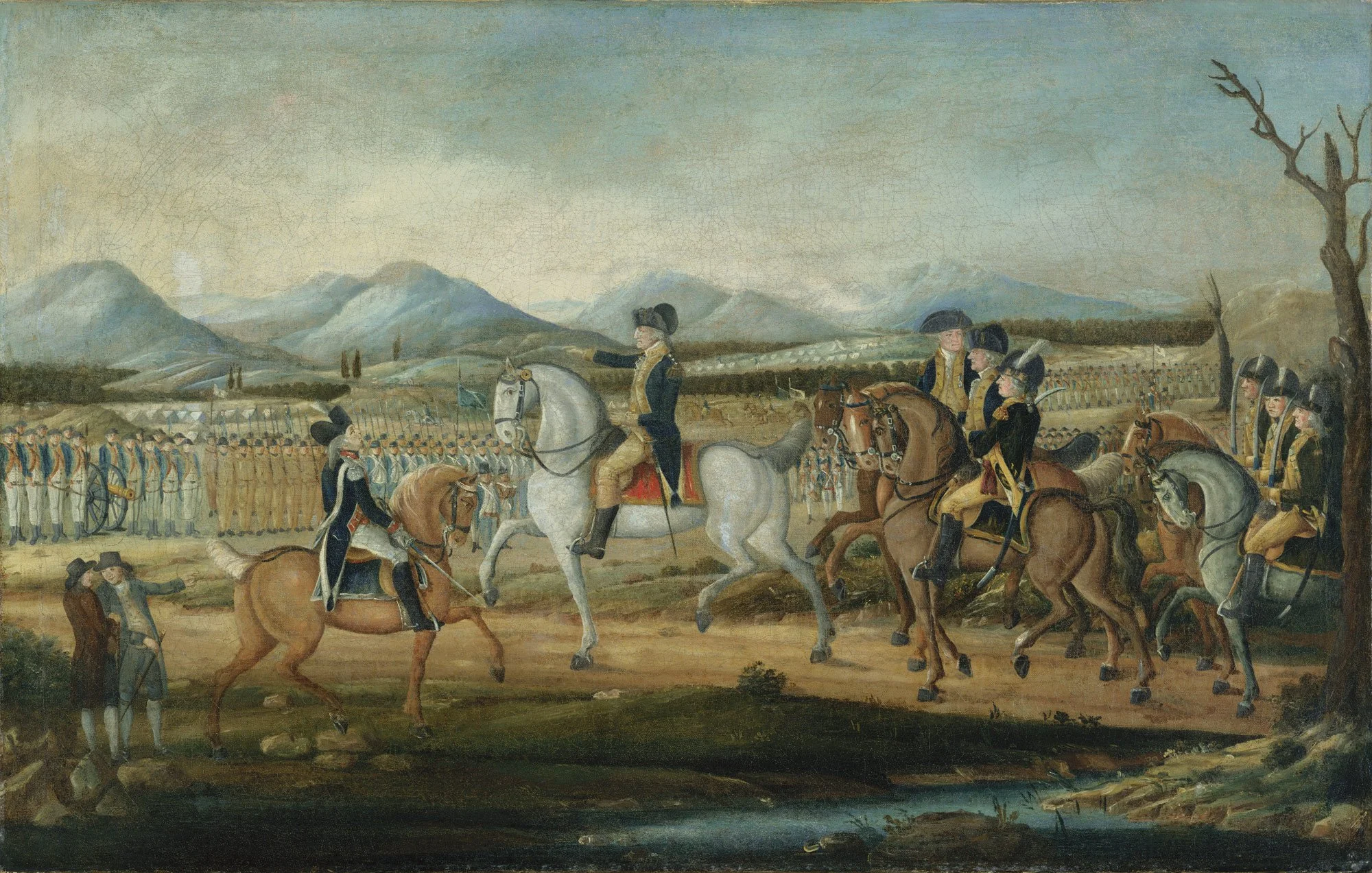
In Part II, we will start with the Whiskey Rebellion and why this painting gets everything wrong. See you then!
One last thing: I want to give you all a quick heads up about a setting change to my Substack. As I think about where I want to put my online energies, I’ve increasingly focused on this newsletter and the corresponding Substack app. You guys are great! You read my work, you click the links, you ask great questions. As social media continues to fracture, those platforms feel much less appealing and that is rented real estate anyway. One quick algorithm change and all of a sudden, no one sees posts.
But I’ve recently learned that Substack won’t push out my content for new readers to discover unless I have the paid option turned on. So I am going to flip that switch. To be clear, ALL of the content will continue to be free. Let me repeat, nothing should change for you. It is really just a behind-the-scene setting change.
However, over the years, a handful of readers have pledged funds should I ever make this change. I want to give you all the opportunity to remove that pledge. I have no intention of monetizing this platform, but I can’t opt out of charging you if you still have an active pledge in place. I get paid to do plenty of other things and I don’t want to put up a barrier between me and readers. Additionally, it is my hope that my requests to buy my book every four years will feel less onerous if I continue to provide this content for free. So, I’m giving you two weeks to make that change and on August 1, I will toggle the setting. Please feel free to cancel your pledge between now and then. I promise I won’t take offense. If you have any challenges or have any trouble with access after that, please don’t hesitate to let me know.