What Theodore Roosevelt Can Teach Us About Reform in 2026
October 2026 Imperfect Union
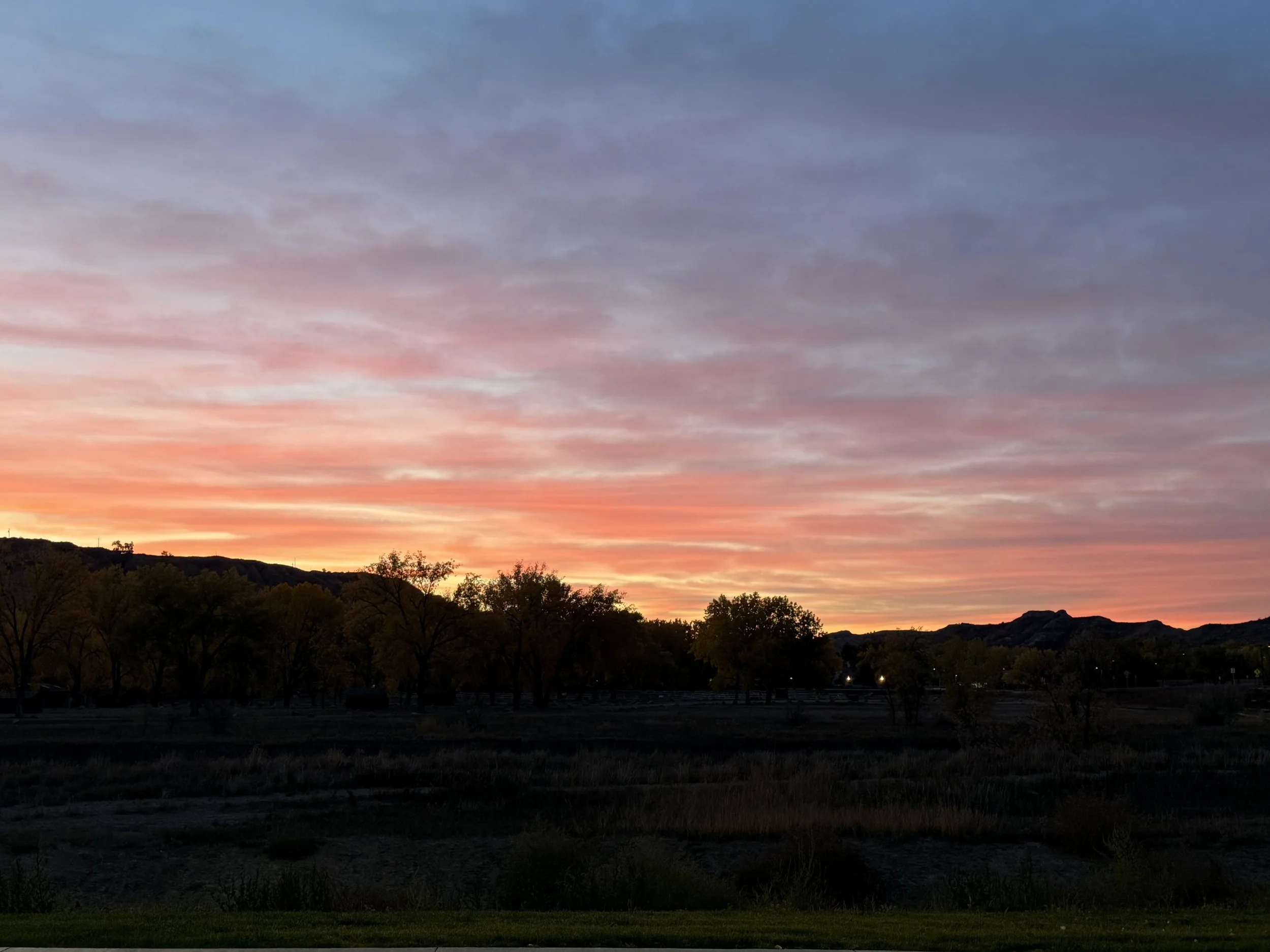
This past week, I visited the Theodore Roosevelt Presidential Library to speak on a panel about presidential biographies at their conference, #TeddyCon. I had the best time. I was so impressed by the library and the Badlands. To be honest, I didn’t think this nature would speak to me because I’m usually more of a big mountain/forest sort of lady. But I was stunned. The rugged, brutal wildness of the place was so stunning and so unusual, that it just took my breath away. More importantly, I became convinced that you simply cannot understand TR without visiting the Badlands. It just makes everything about him make sense. It explains the presidency, his interests later in life, and who he became. It is hard to articulate in words, so I hope you’ll have a chance to visit yourself and see. As I’ve been reflecting on my visit, I have developed some takeaways that hopefully offer an important message for today.
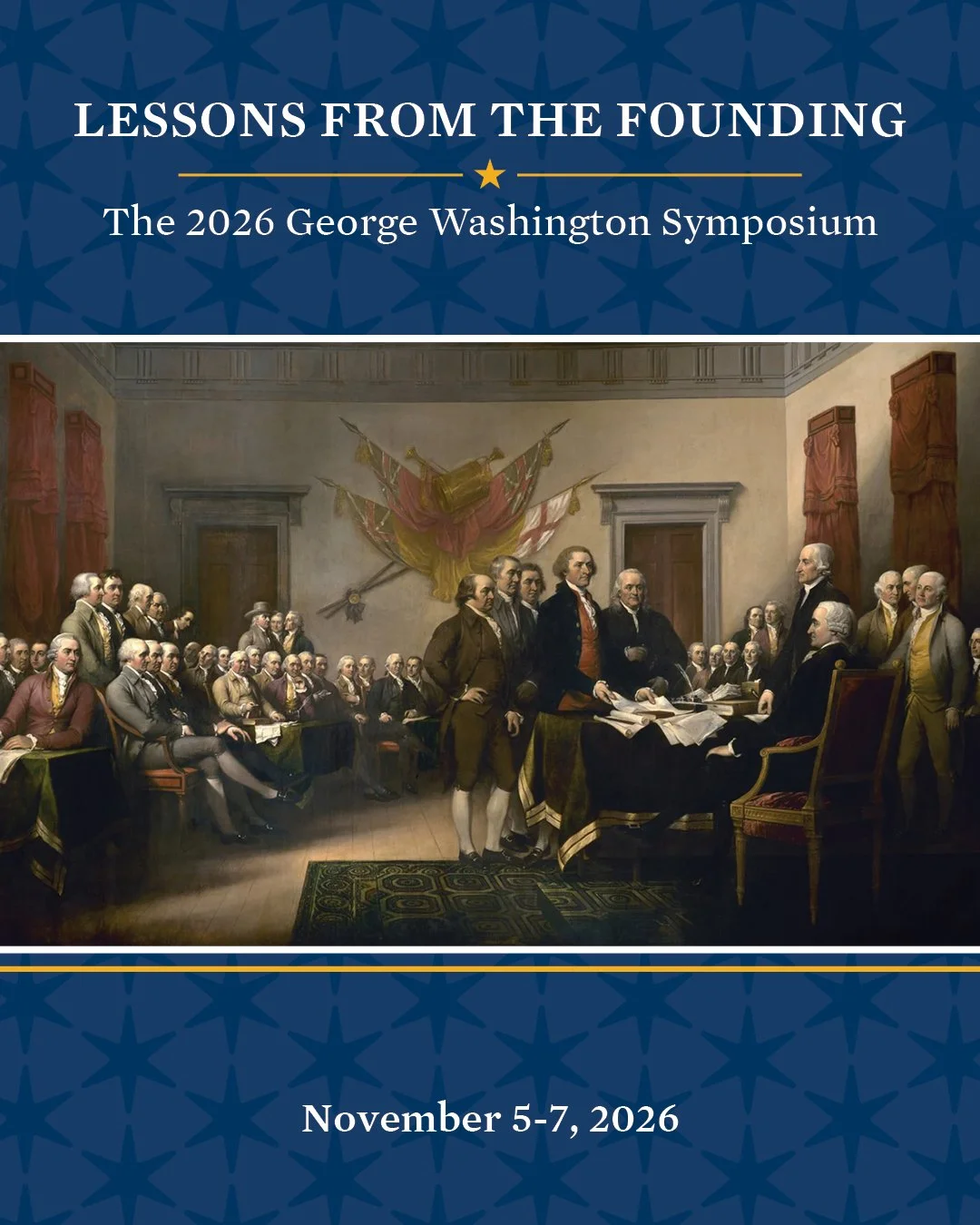
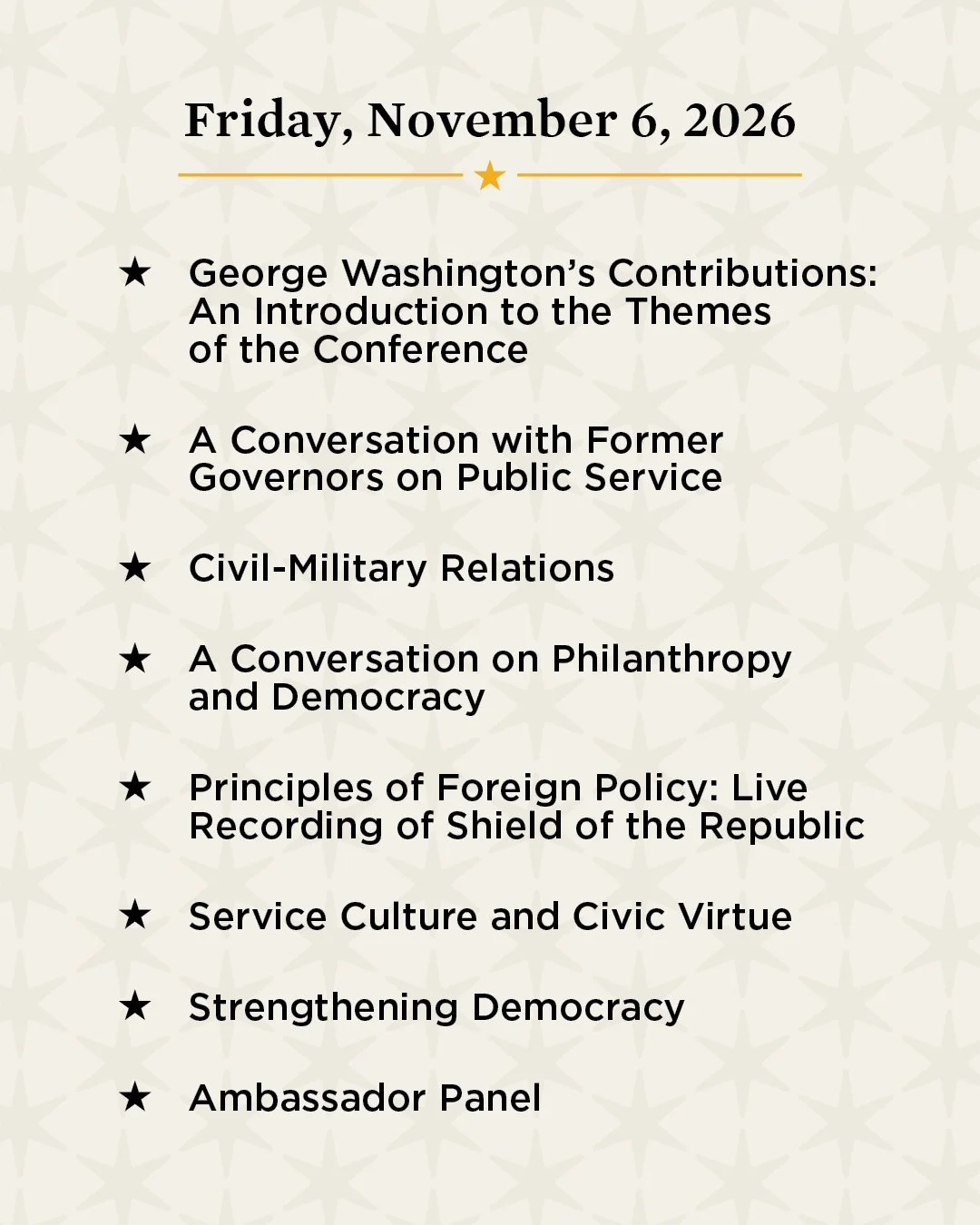
Before I get there, I wanted to share an event that I have coming up at the George Washington Presidential Library at Mount Vernon. In the spring, I talked about the Women’s Leadership Summit that we organized to explore women’s role documenting, preserving, and shaping American history and legacy. For the bookend event, we are hosting a Democracy Symposium on November 5-7. It explores Washington’s nine key contributions to the nation, including the presidency, the Constitution, peaceful transfer of power, religious freedom, civilian control of the military, and culture of service. We will also explore where we are today with those themes and critically, what we can do to strengthen them going forward. My goal is to harness the energy of 250 to make a plan about what we can do to improve the nation going forward.
We have such a great lineup of the leading historians, experts, policy makers, and veterans. Speakers include David Rubenstein, Leon Panetta, former Governors Lamar Alexander and Mitch Daniels, Admiral Michelle Howard, Brig. General Ty Seidule, Rick Atkinson, Peter Baker, Susan Glasser, Yuval Levin, Kate Shaw, Melody Barnes, Susan Swain, Ali Vitali, David French, Elie Honig, Robert Costa, Mona Charen, Judge Luttig, Eliot Cohen and Eric Edelman, Karl Rove, Chris Whipple, Evan Thomas, and several current Ambassadors to the United States.
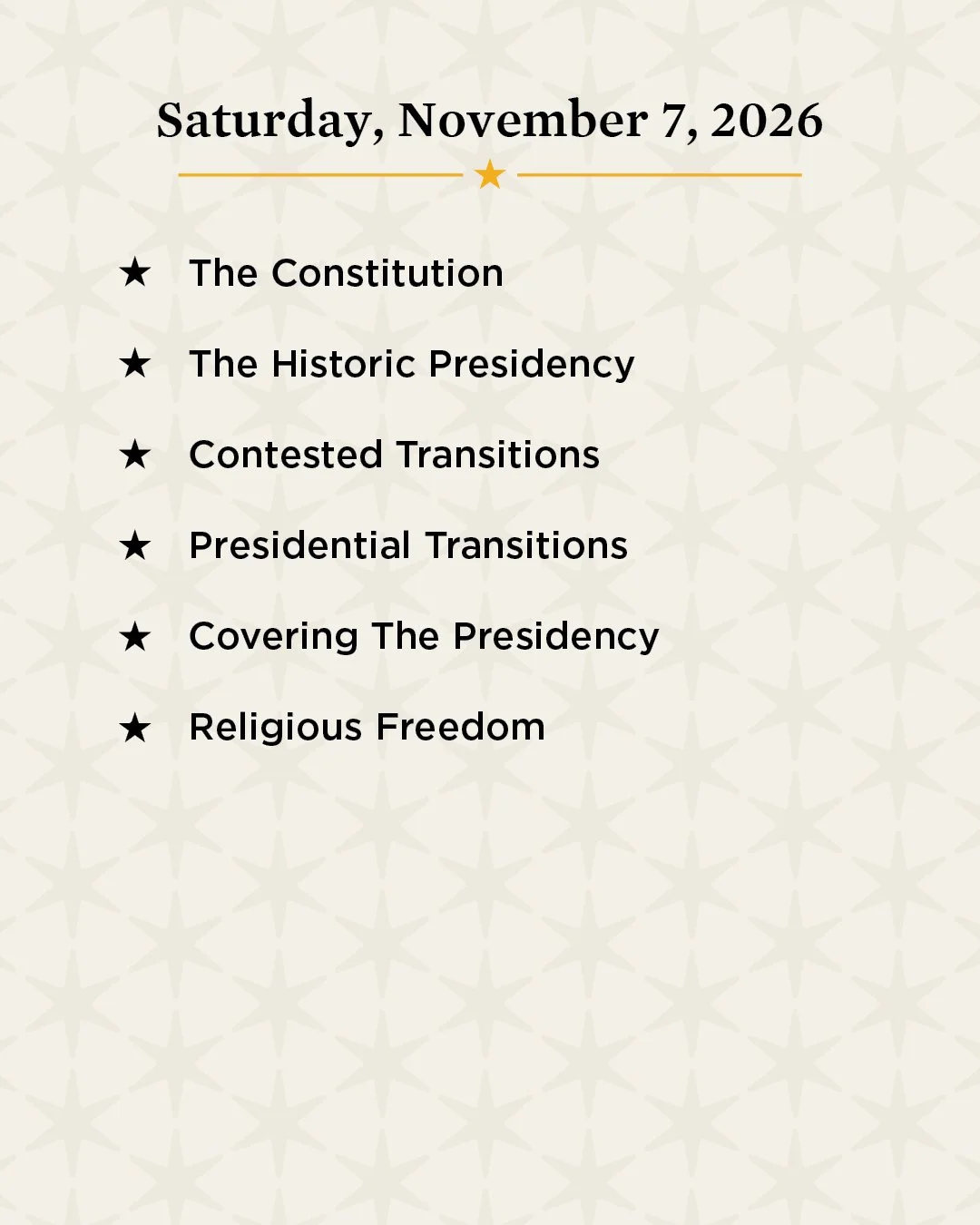
There are still in-person tickets available and a virtual option. It is a pricey ticket (it includes a black-tie gala, two amazing dinners, two lunches, and two and a half days of a really great experience), so we know it won’t be available for everyone. But I hope you’ll consider tuning in online. I think it will be a really great symposium. The link to register and full details are HERE. Thanks for considering it!
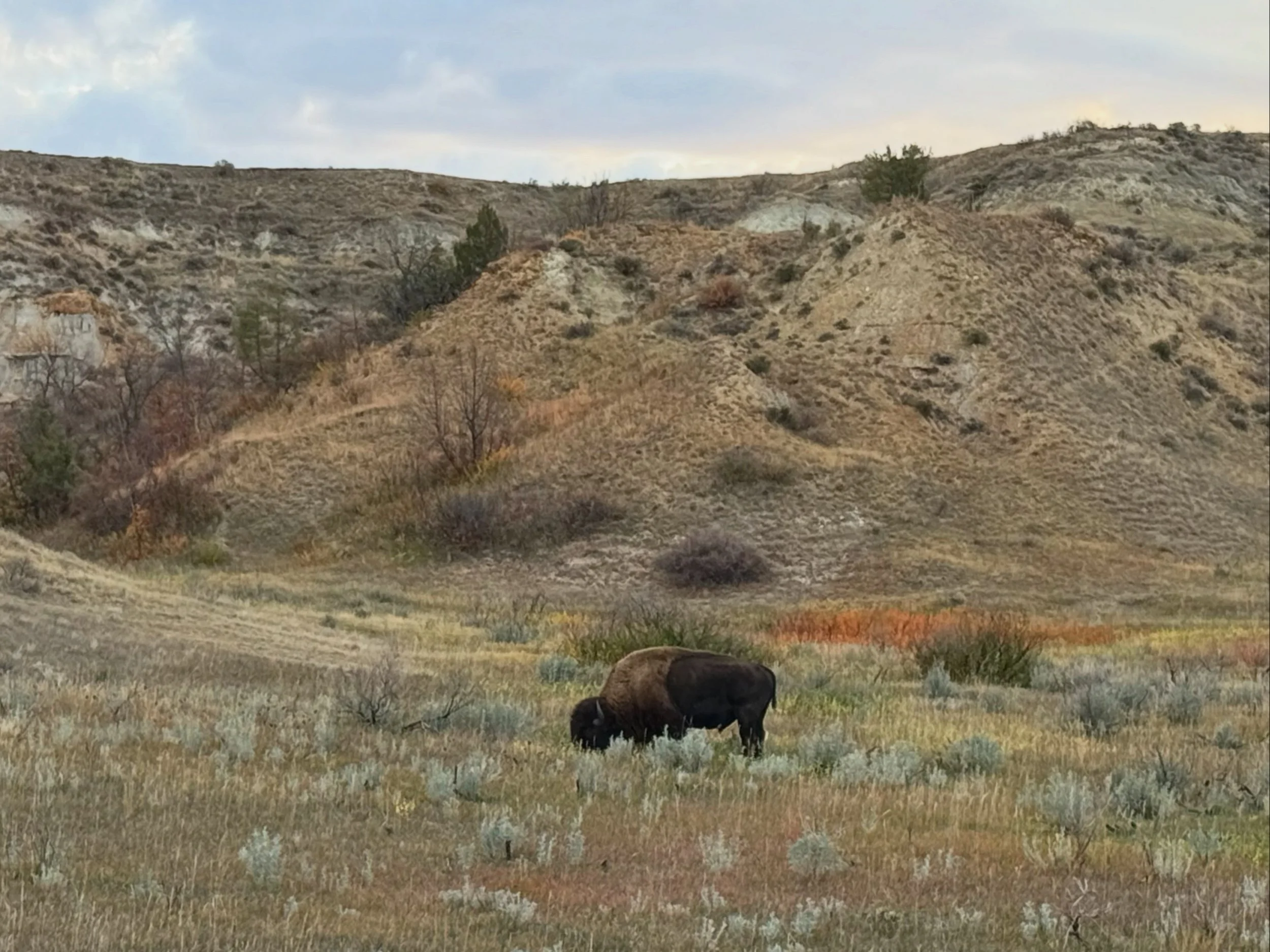
Back to Theodore Roosevelt. The library and museum are so impressive. There are three main components: the traditional museum analysis and exhibits, recreated spaces including his family’s library and the interior of his cabin in North Dakota, and experiential moments with video and physical elements. The mix of the three was powerful and offered something for everyone.
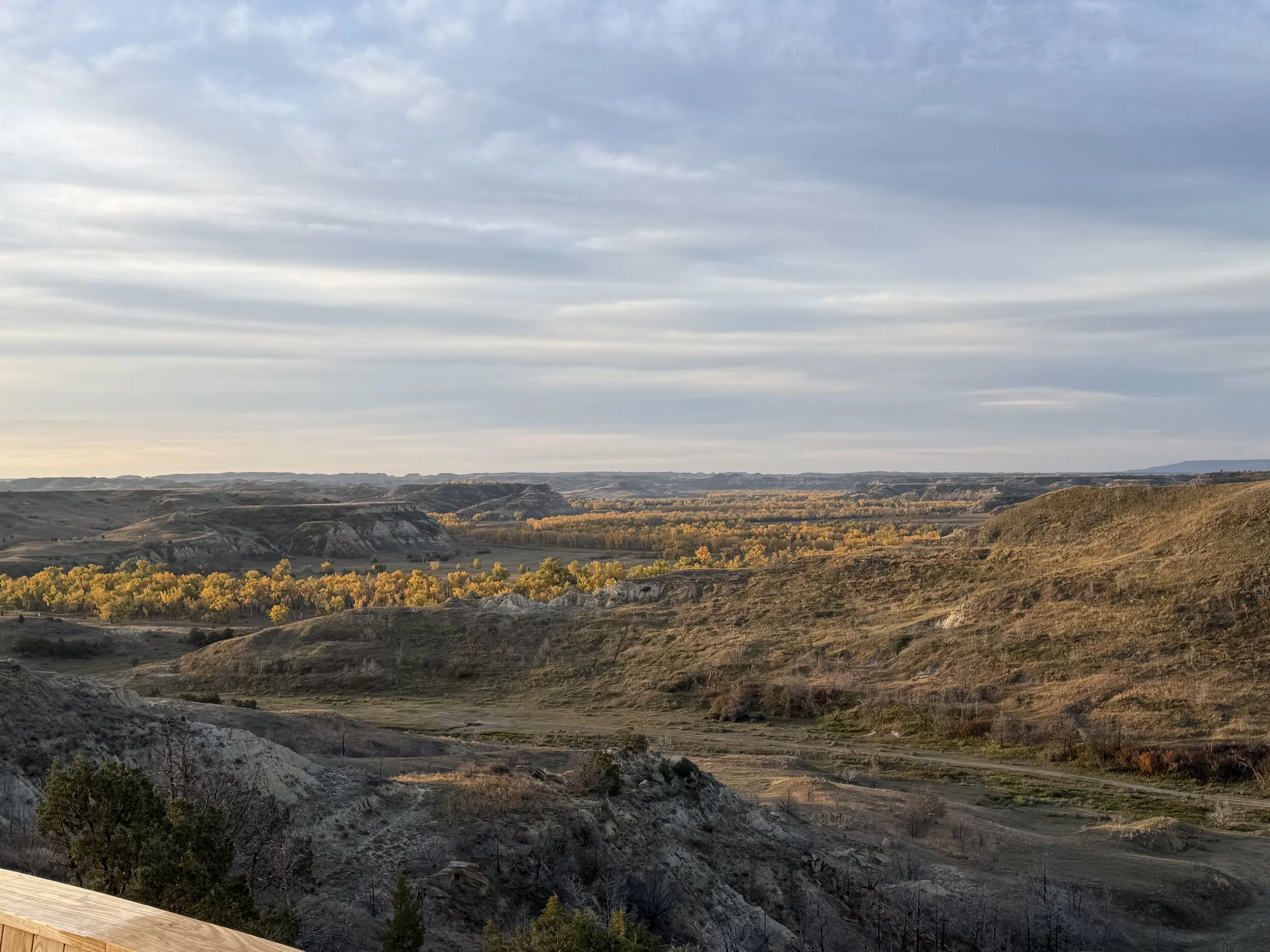
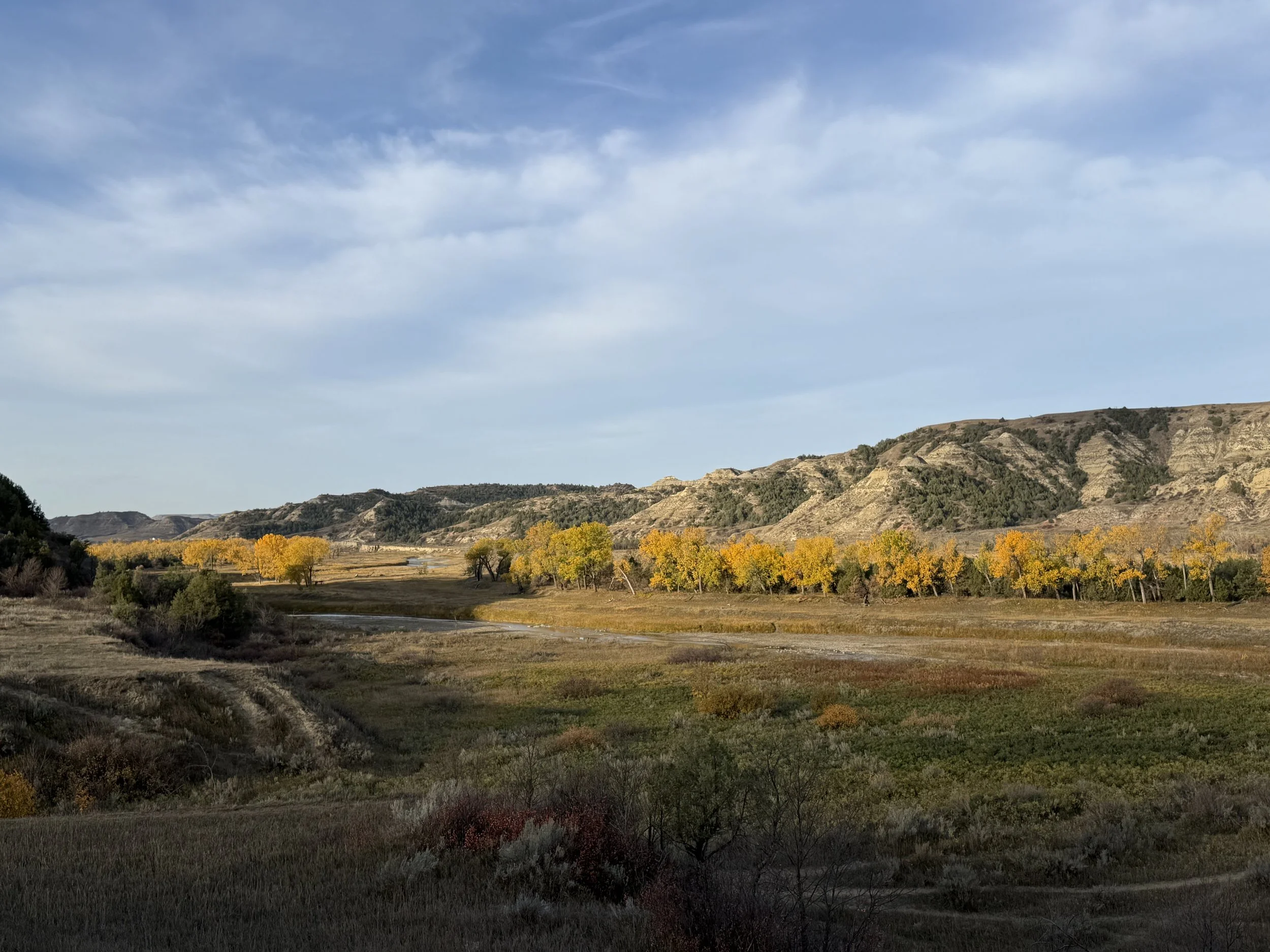
The view from the Library. It’s hard to capture and even harder to process.
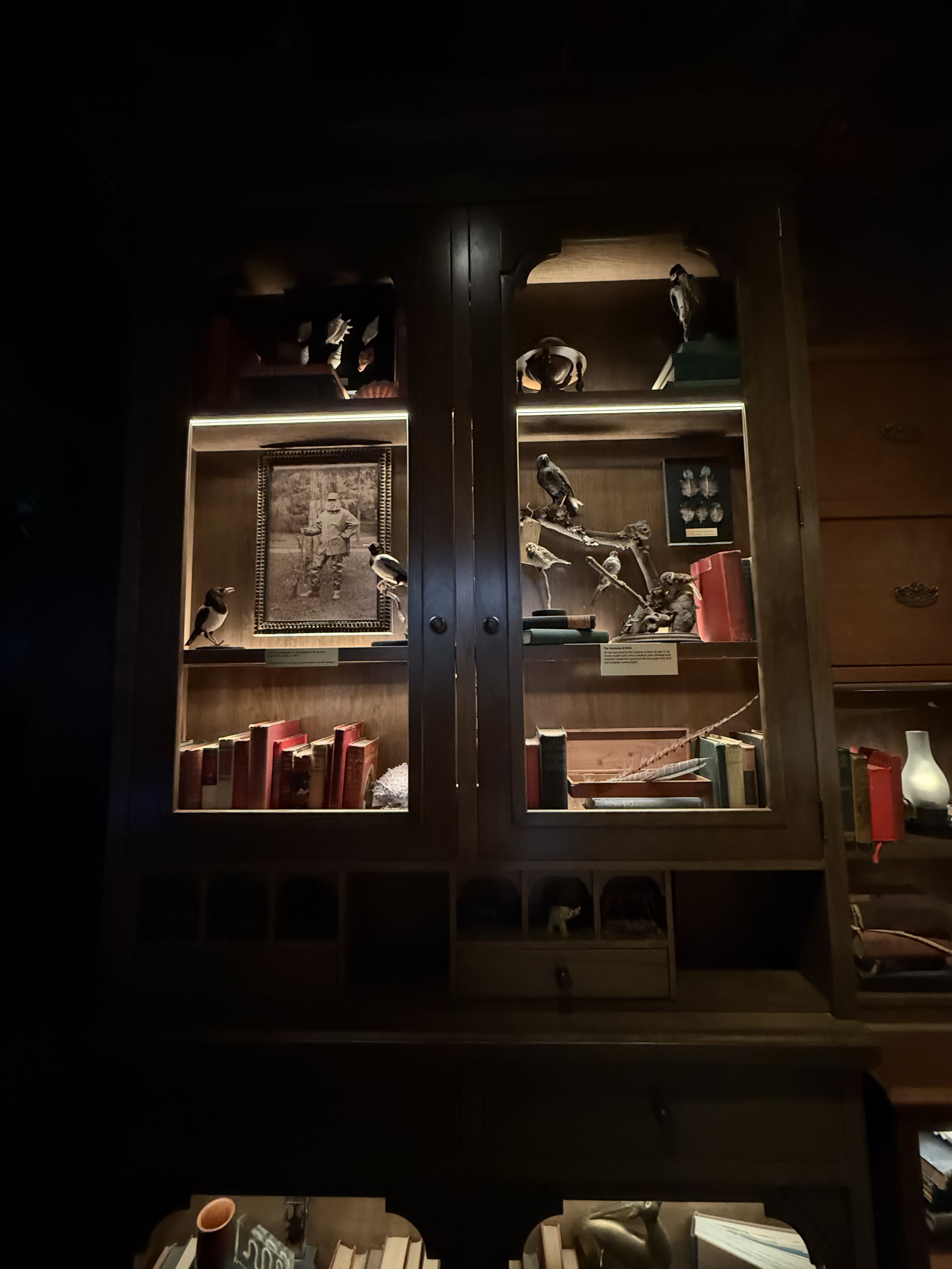
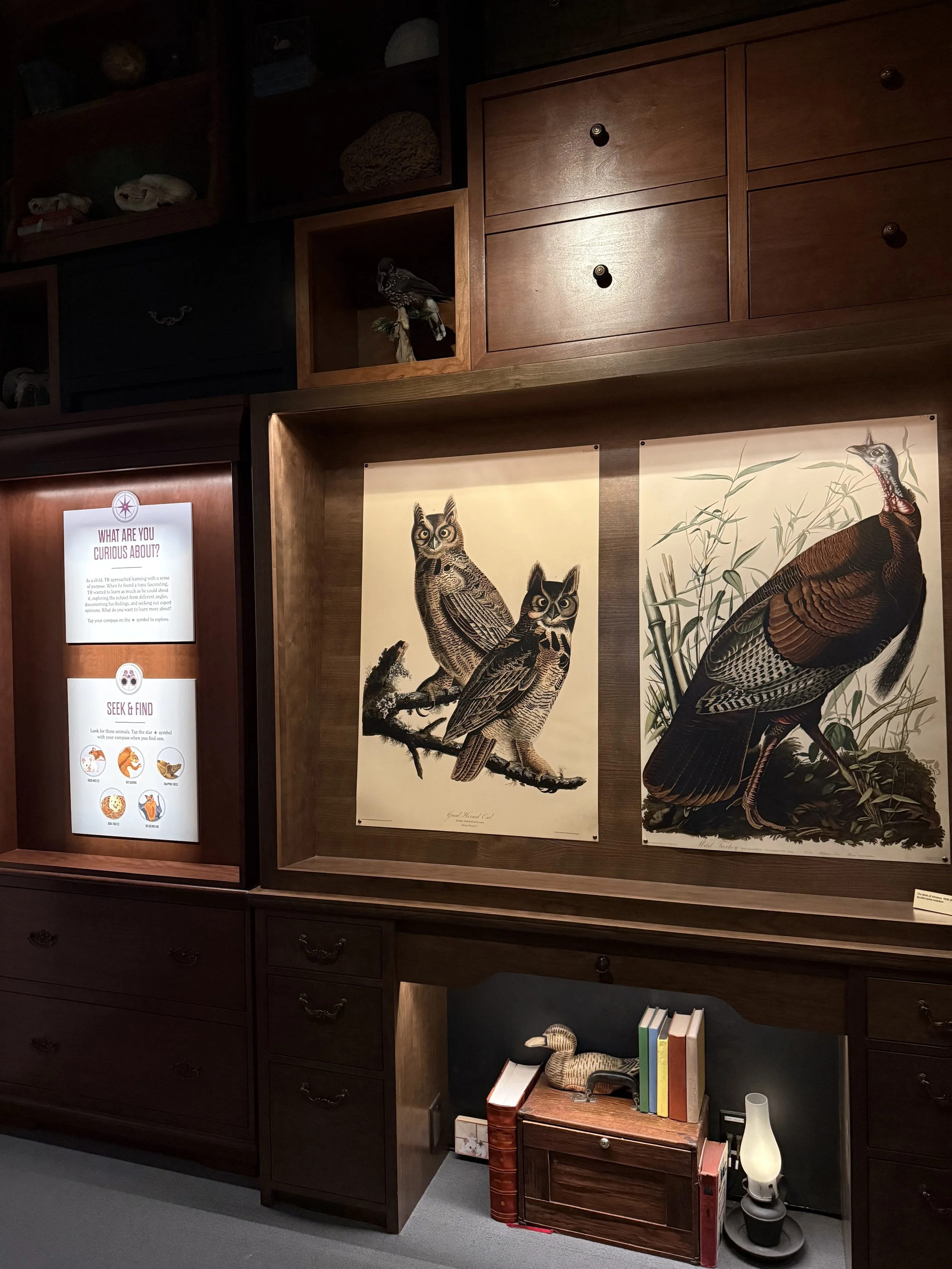
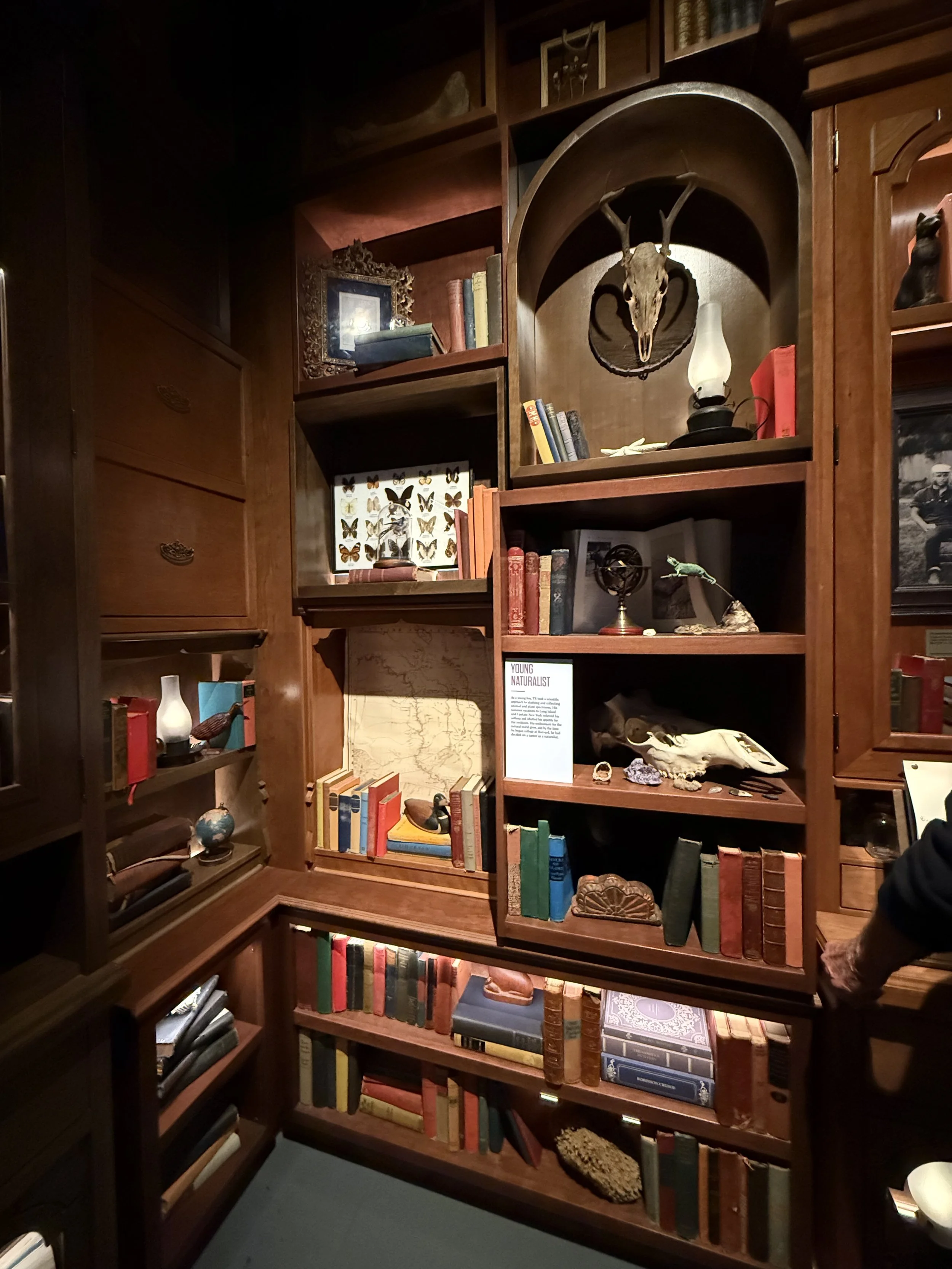
I was most influenced by the recreated spaces because I love a living history site. I think you can’t understand historic figures without seeing how they lived, what they surrounded themselves with, and what the space felt like. Because the library is so far from the other Roosevelt sites, it was so helpful to have the texture and depth of these spaces. A few pictures below.
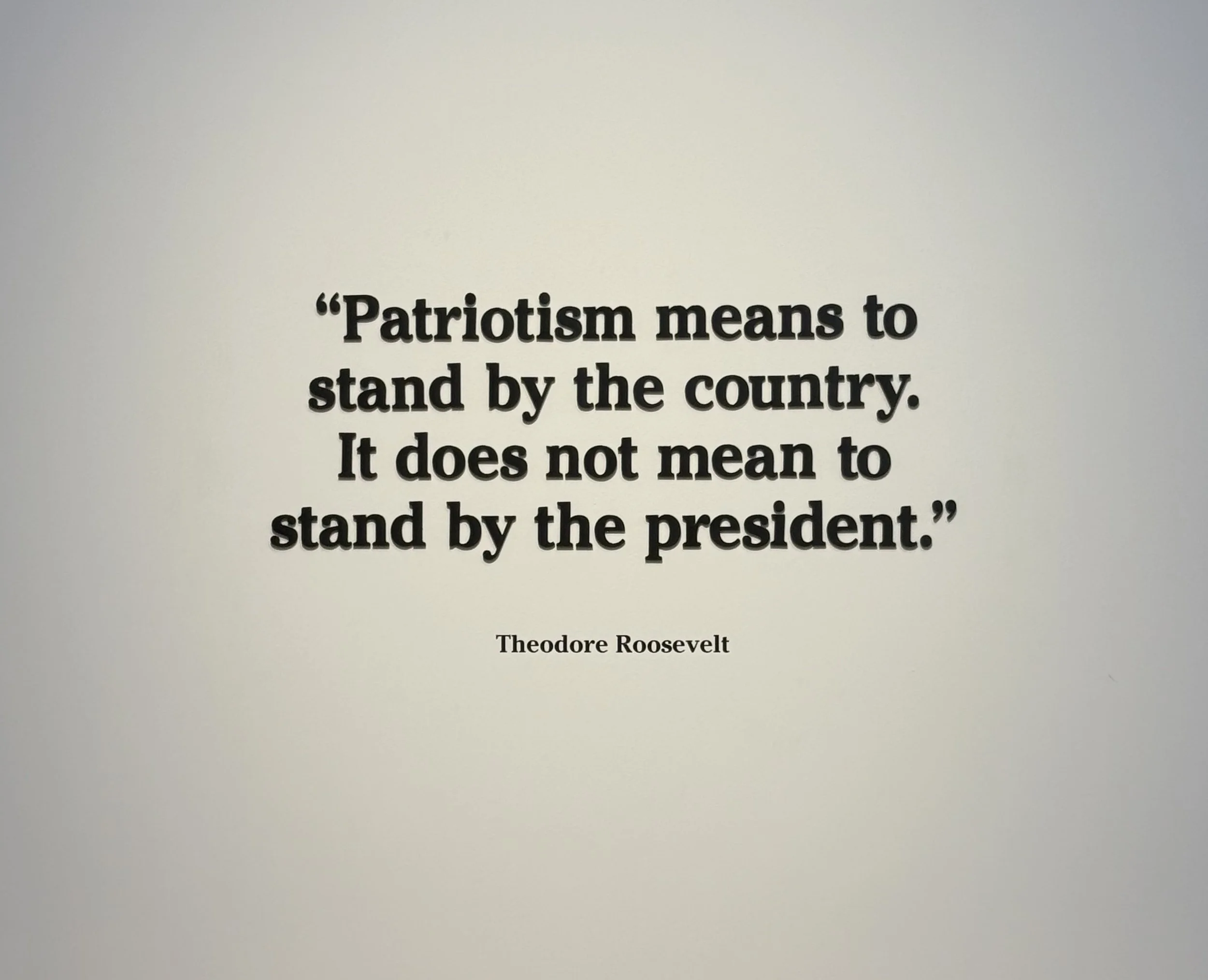
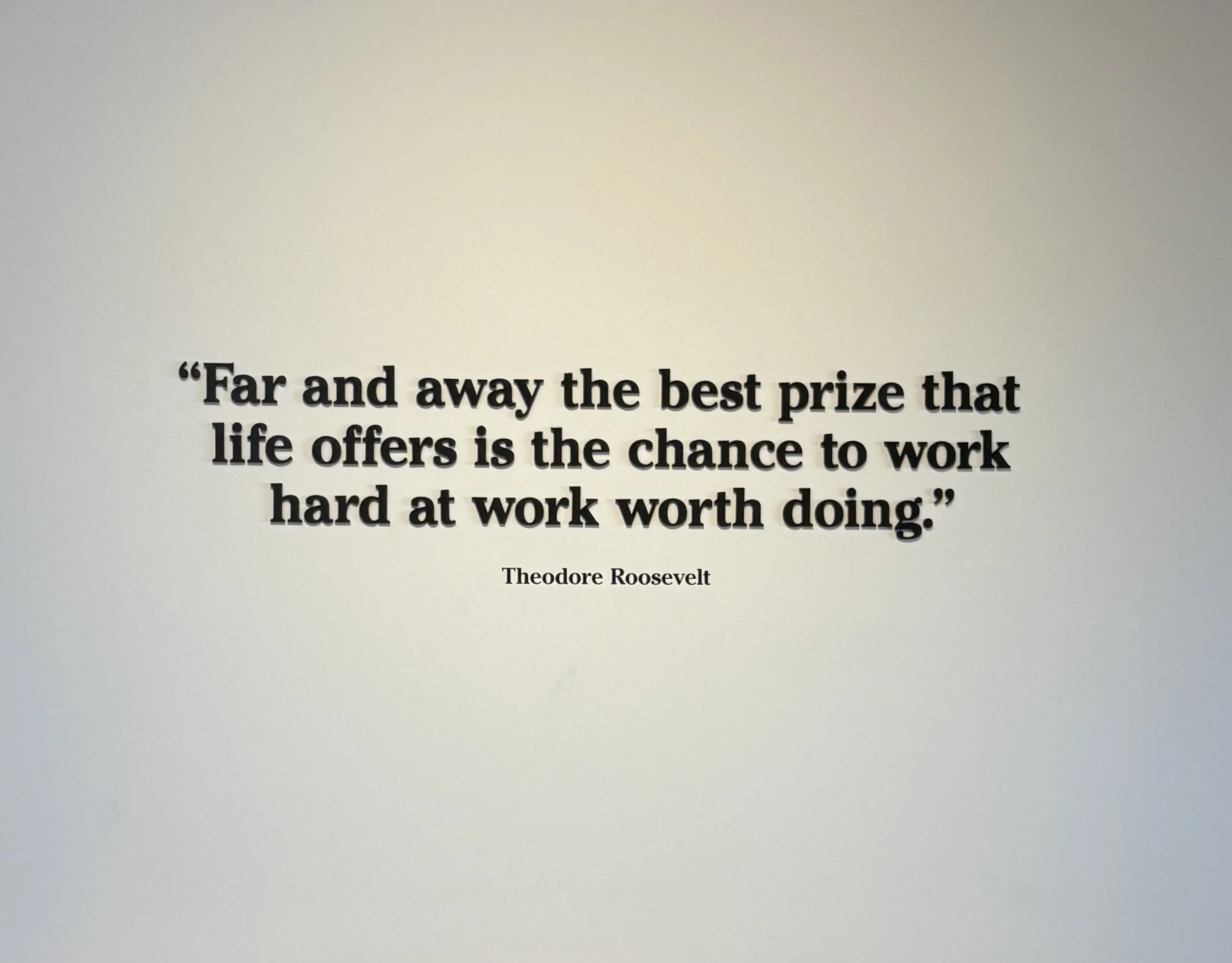
The use of quotes was really well done. Quote displays can go awry pretty easily because they can be hokey or too long. The brevity and relevance to the story were perfect. Or maybe I’m just a sucker for a TR quote.
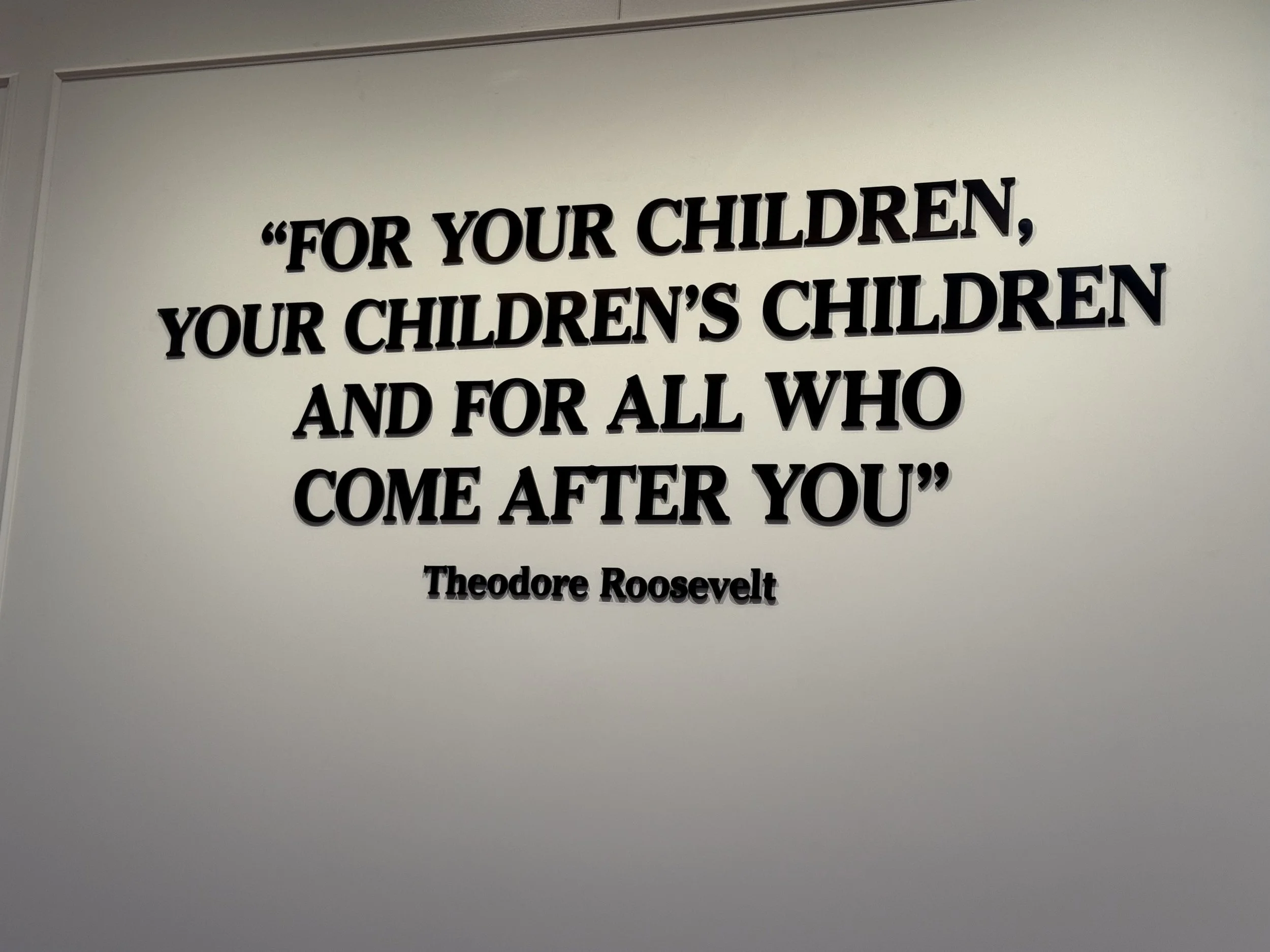
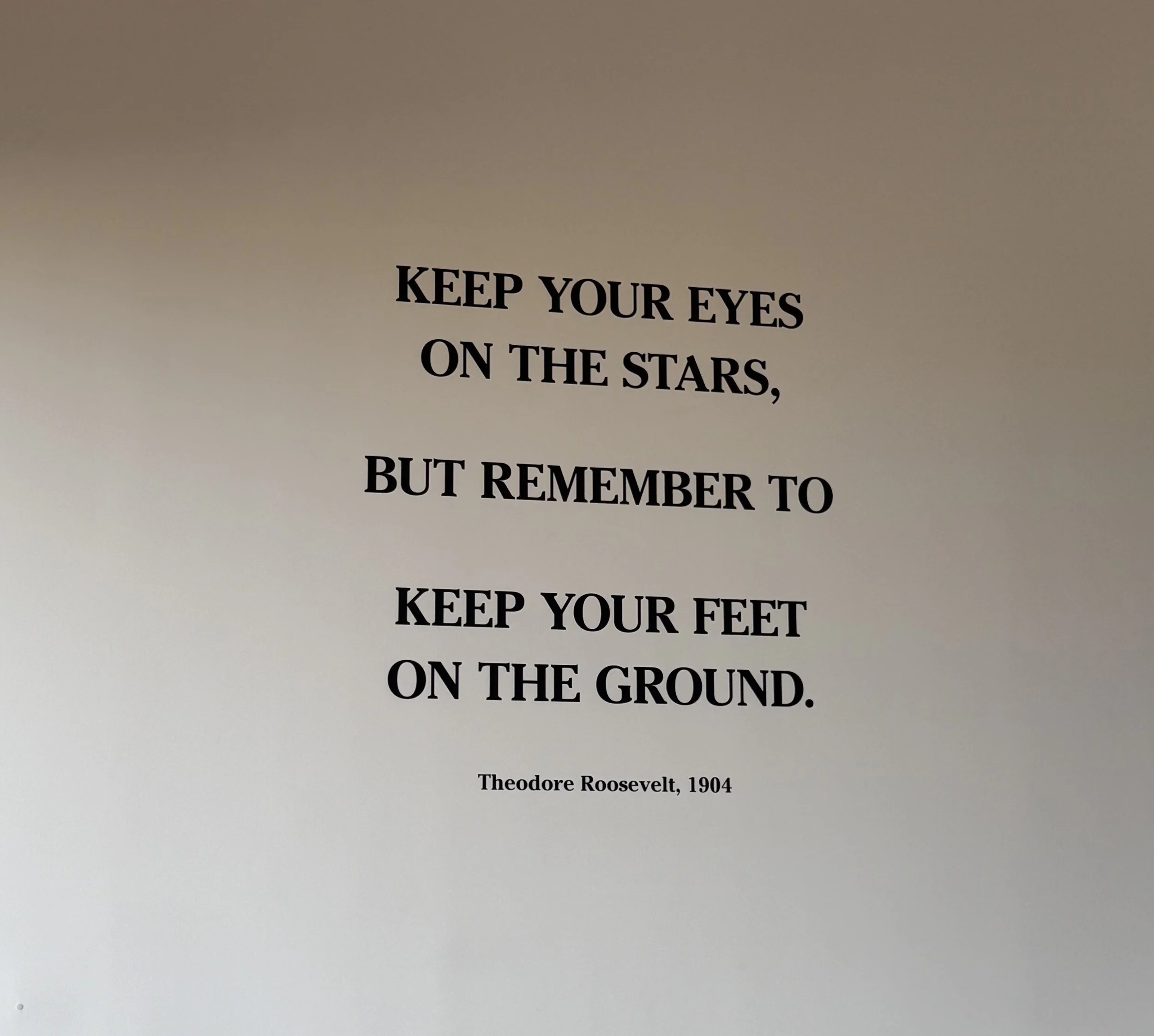
TR’s role as an inspirational leader and reformer was the key theme that bubbled to the top, at least for me. The use of natural materials everywhere—the raw-edge podium, the wood grain stage, the stone walls, and the spectacular views—constantly remind you of TR’s commitment to environmental preservation and conservation. Of course, his administration also oversaw the passage of labor laws, food safety reform, child labor restrictions, housing reform, and more.
There is no doubt that TR was a rare leader who pursued reforms based on his passions, especially for nature and conservation. The force of his personality, his relentless energy, and his embrace of executive power pushed through reforms that often seemed impossible. But the reforms would not have been possible without widespread public support.
Decades of grassroots organizing, petitioning, protesting, and publicity set the stage for legislation and reform. Jacob Riis, one of the earliest “muck rake” photographers captured the squalid housing and working conditions in the slums of New York City. Reformers, like Jane Addams in Chicago, founded settlement houses to provide education and training for women, childcare for their children, and healthcare for families. The pincer movement of activists highlighting the worst elements of society with reformers offering new solutions to these problems produced a groundswell of support for change. TR’s ability to capture that energy, harness the movement, and give powerful voice to those demands is what made him remarkable.
What does that mean for today? I spoke about this parallel on stage, but I think it is worth repeating here. There is tremendous hunger for reform on both sides of the political aisle. For example, there is deep bipartisan support for pardon power reform, Supreme Court term limits and ethics requirements, a ban on congressional stock trading, election finance reform, and a crackdown on corruption, just to name a few. I think we probably need a leader or a few who can harness this energy and provide a concentrated voice. But we have to do our part. We must continue to build the grassroots energy, to demand change, and to force action. Studying history gives me hope that the right leader will come along, as long as we don’t give up. Let’s stay in the arena.