An Under-Appreciated Leadership Quality
March 2026 Imperfect Union
I was noodling around on various sites, looking for inspiration on what to write about in this newsletter (sometimes it is really hard to come up with a topic!), when I saw my friend Dr. Kori Schake posted that she had been disinvited from speaking at the Air War College on her new book, The State and the Soldier. We hosted Kori to speak about her book at the George Washington Presidential Library in November and as always, she was an absolute delight. The book is brilliant and almost everything I know about the civil-military divide, I learned from her.
This news immediately connected in my brain with the talks I’ve been giving about the qualities of presidential leadership. I gave a talk a couple of weeks ago about Washington’s self-education and his belief in the importance of an educated citizenry. His library, and the patterns of book buying contained within, demonstrate a curiosity about the world around him and a commitment to lifelong learning. Separately, one of the qualities of timeless leadership is a commitment to seeking information—or curiosity. Allow me to explain how that fits together.
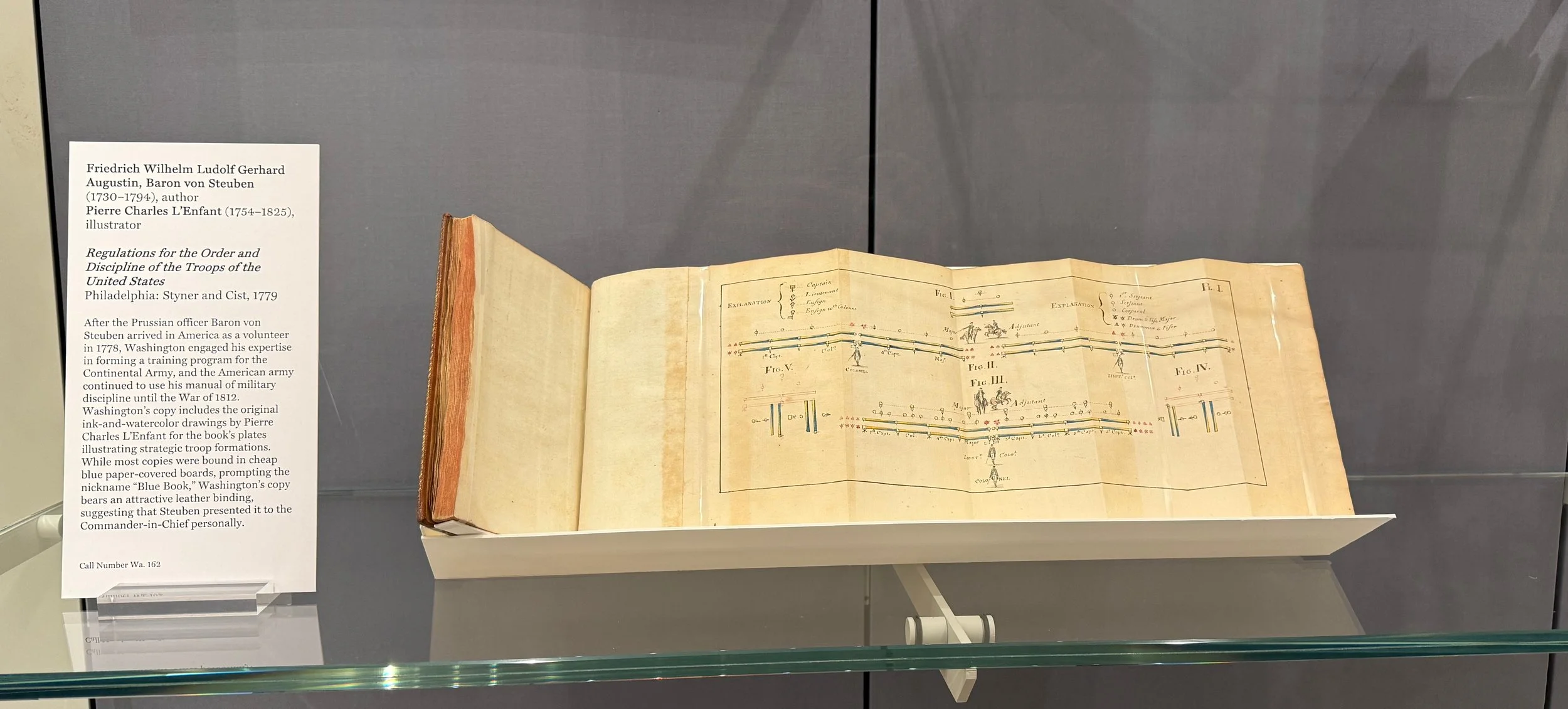
George Washington’s copy of Baron Von Steuben’s book on drilling. Recently on display at the Boston Athenaeum.
All presidents are inherently in a bubble. They don’t go grocery shopping, they don’t drive to pick up kids from soccer practice, they don’t wait in line at the airport. The information they receive is often filtered through layers of staff or intelligence professionals, and the people they meet with are vetted and approved.
The best presidents recognized this condition as a side effect of the White House and put systems in place to ensure they still received some outside information. Maybe they retained connections with old friends or family members. Most depended on their wives to call them on their bullsh*t if they were being ridiculous.
Many sought out sources of learning beyond what they received from staff: books, articles, conversations with experts, etc. When you are president, you can pick up the phone and almost anyone will talk to you. What an amazing privilege. A couple of examples.
I mentioned above that Washington was committed to lifelong learning. He bought books on the military, politics and political theory, science, agriculture, poetry, fiction, religion, and more. He subscribed to several newspapers and regularly purchased pamphlets, which he had bound together. He even bought books he knew would be critical of him, like James Monroe’s A View of the Conduct of the Executive, in the Foreign Affairs of the United States, Connected with the Mission to the French Republic.
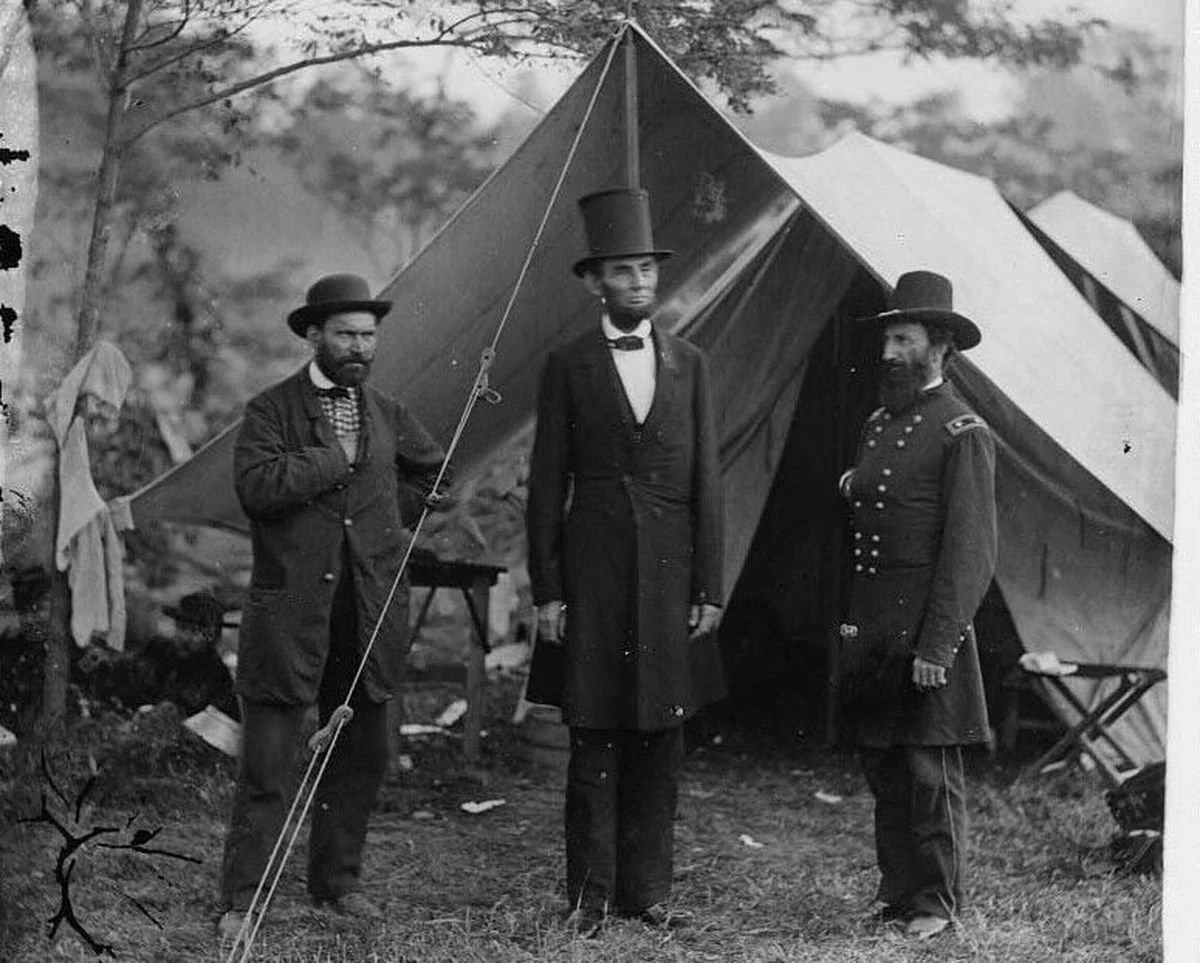
Abraham Lincoln also welcomed in critical voices, including unannounced visitors from the public. He called these meetings “taking a public opinion bath.” On August 10, 1863, Frederick Douglass was one such visitor. He visited the White House to discuss his efforts to recruit Black troops and the obstacles imposed by discrimination in the army. The following year, Lincoln invited him back. Lincoln also famously visited soldiers to ensure he understood what war looked like; he didn’t just read about it in telegrams.
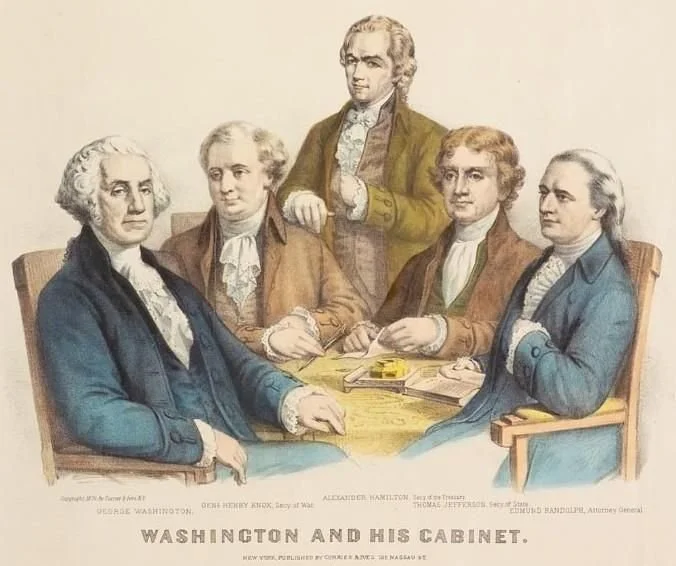
But presidents can also implement systems in their administration to ensure they receive diverse viewpoints and conflicting information. The best presidents surround themselves with advisors who will tell them no. They will bring differing perspectives and hopefully, introduce new information. When the president makes a decision, they have to fall in line, but until that moment, advisors and cabinet members should speak their minds. Yes men—or people who only agree with leadership—produce bad outcomes.
Examples! The obvious one is Alexander Hamilton and Thomas Jefferson. As their differences became more stark in the 1790s, Washington did not urge them to agree. He urged them to stay in the cabinet because their differing perspectives made him better, and he said so to their faces. But many presidents have followed this wise model.
Franklin D. Roosevelt intentionally played his secretaries and aides off one another to produce multiple creative solutions to a problem. While this strategy did not bolster morale among his subordinates, it did produce creative thinking. In 1953, Eisenhower launched Project Solarium, which created several teams to game plan different strategies to deal with the Soviet Union.
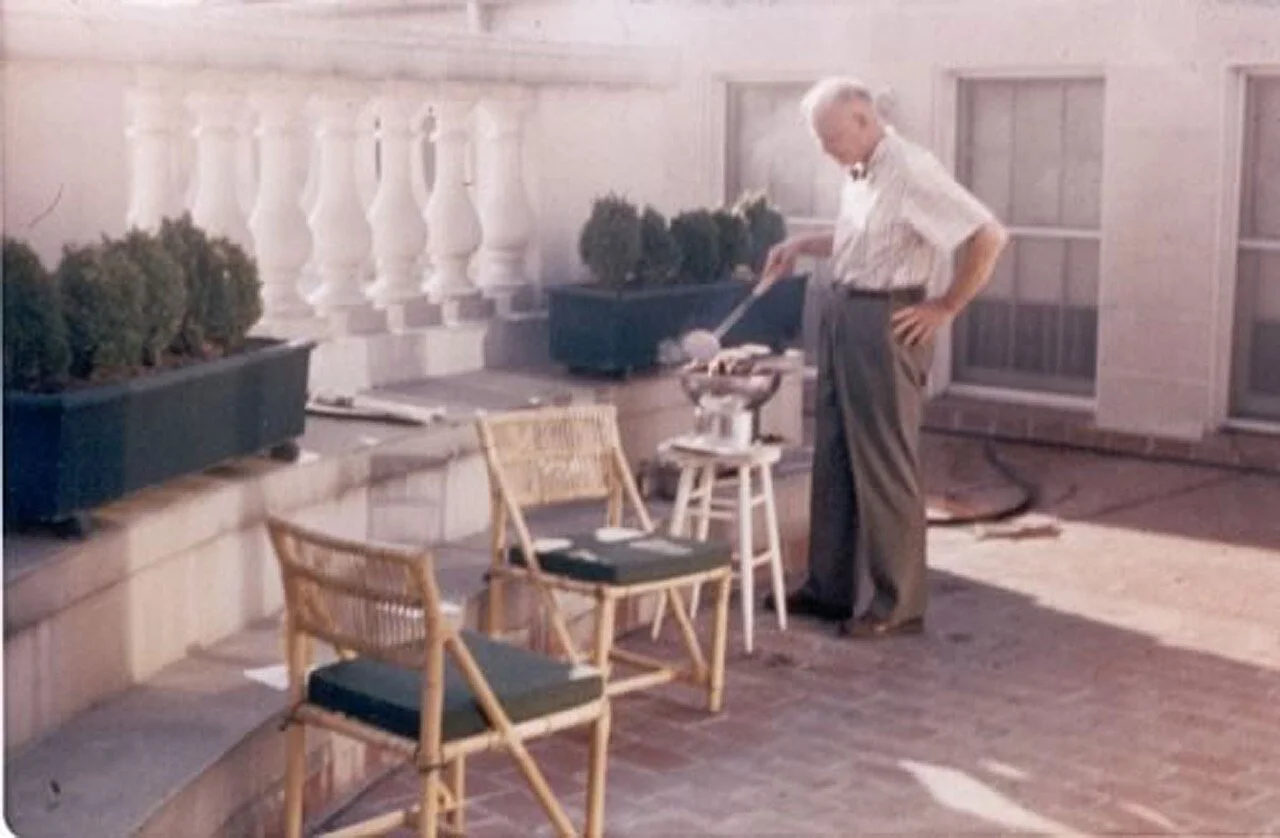
The meetings were held in the White House solarium. Eisenhower is pictured here, grilling quail in the solarium.
This leadership principle extends far beyond the presidency. Any business school or military training will emphasize the importance of avoiding groupthink. This term was coined by Irving Janis in 1972 and is a “phenomenon where the desire for group cohesion and harmony overrides critical analysis, leading to irrational or poor decision-making.” It is a natural part of the human experience and the best leaders fight against it.
The military takes active steps to avoid groupthink. Military schools study past engagements to determine where cohesive thinking undermined strategy or led to defeat. Before almost any major mission, they bring in outside teams with fresh eyes to analyze the data.
A good example of this process occurred before the raid to kill Osama Bin Laden. Much of the data came from the CIA, but then several different agencies reviewed the material. In the lead up to the raid, President Obama ordered several rounds of debate and review to try and poke holes in the plan. He later said that even with years of planning, it was a 50/50 decision.
How then does this connect to Kori’s canceled talk? Civilian control of the military is one of the most important tenets of our republic. Future soldiers, pilots, and sailors, should learn that history first and foremost. Future leaders should know where we have failed and when we have succeeded. And they should never fear challenging information—they should seek it. I hope our soldiers, sailors, airmen, and all future leaders have the opportunity to learn from Kori. And I hope they have the opportunity learn from those who disagree with her! They will all be better for it.
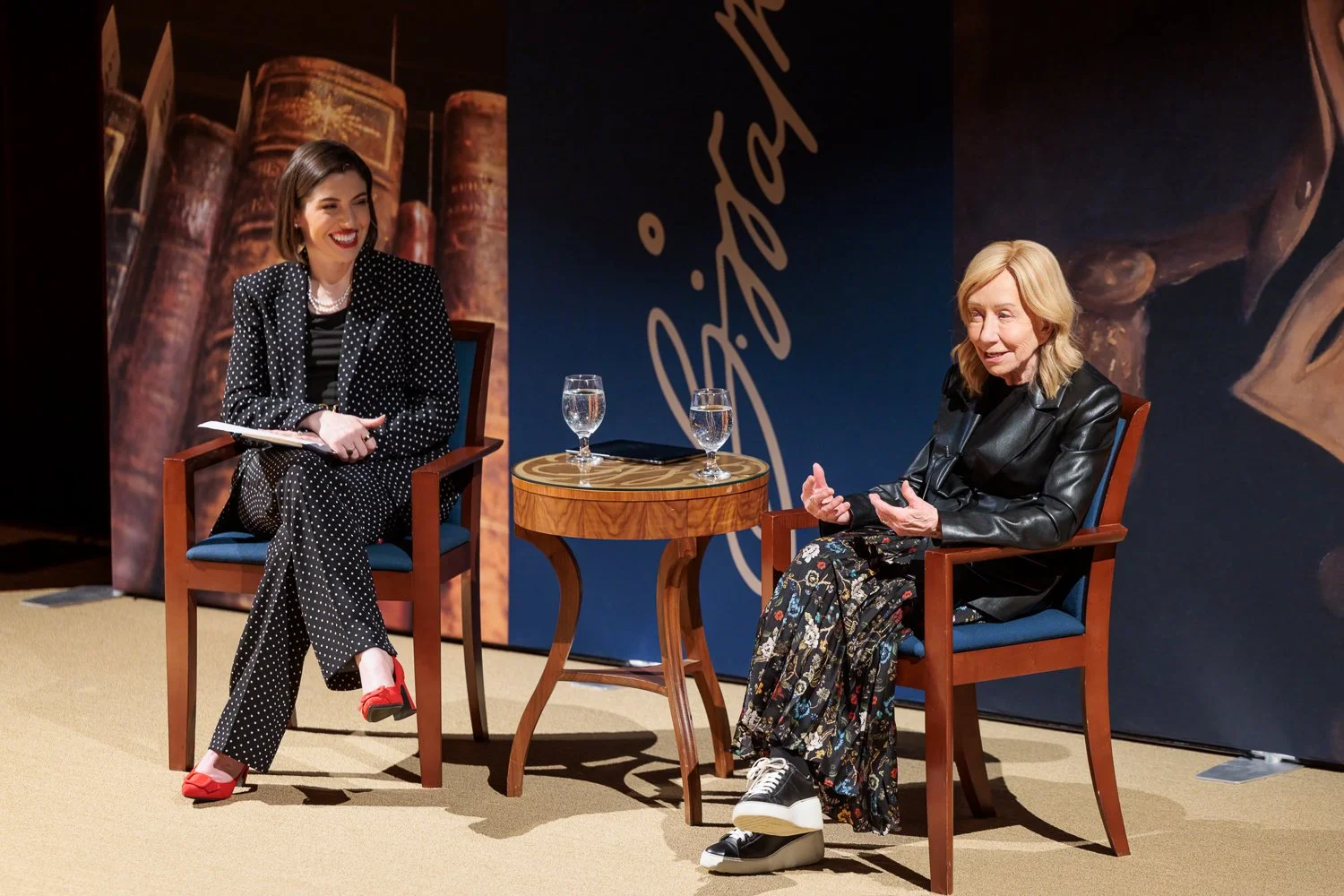
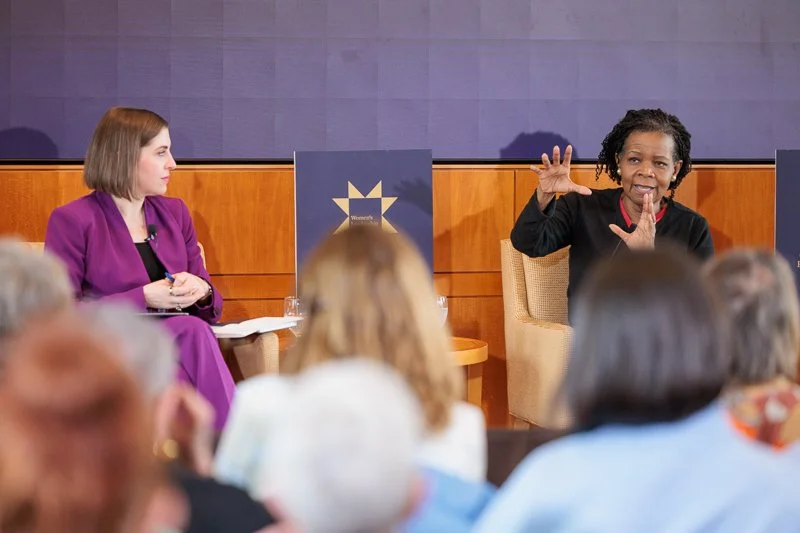
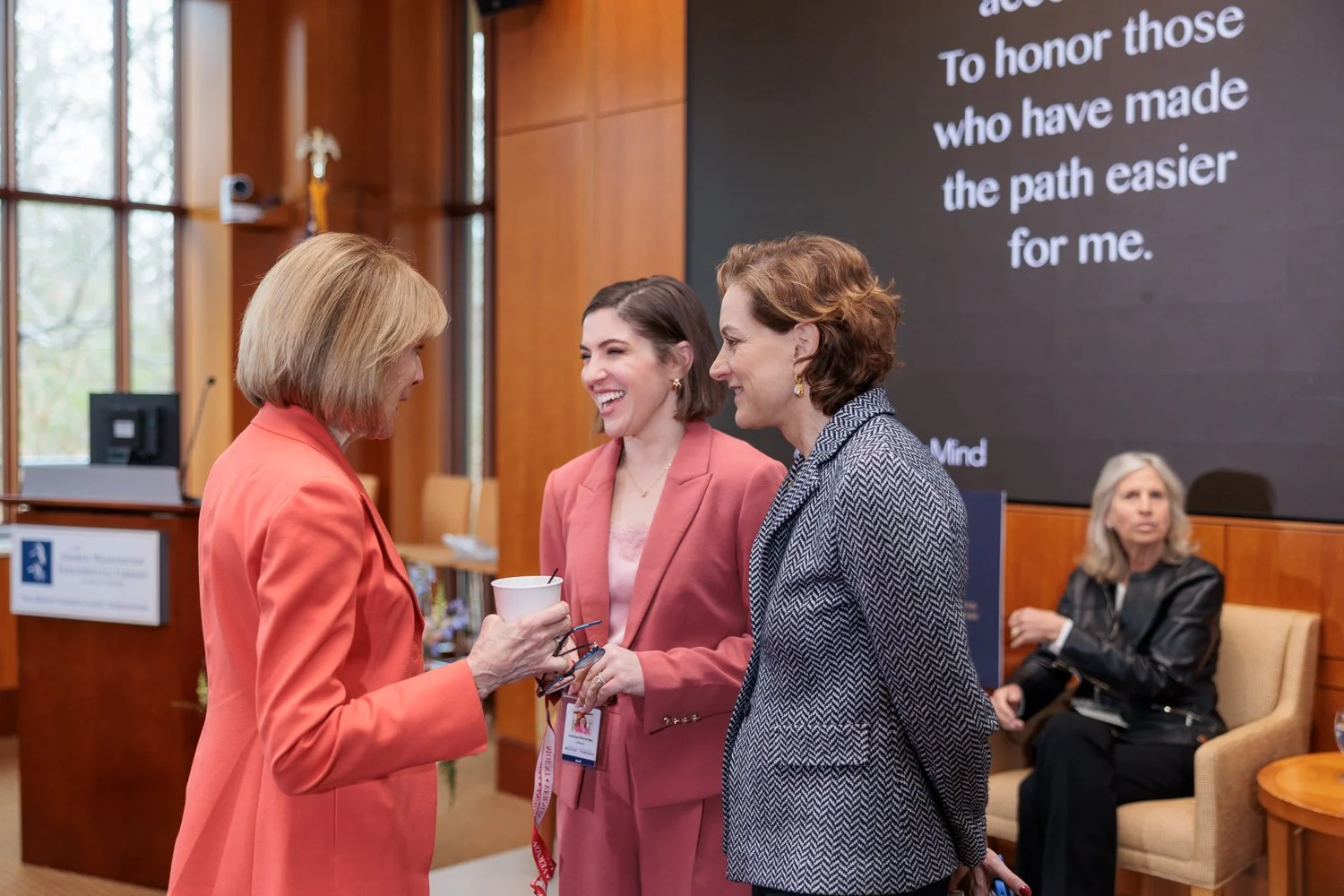
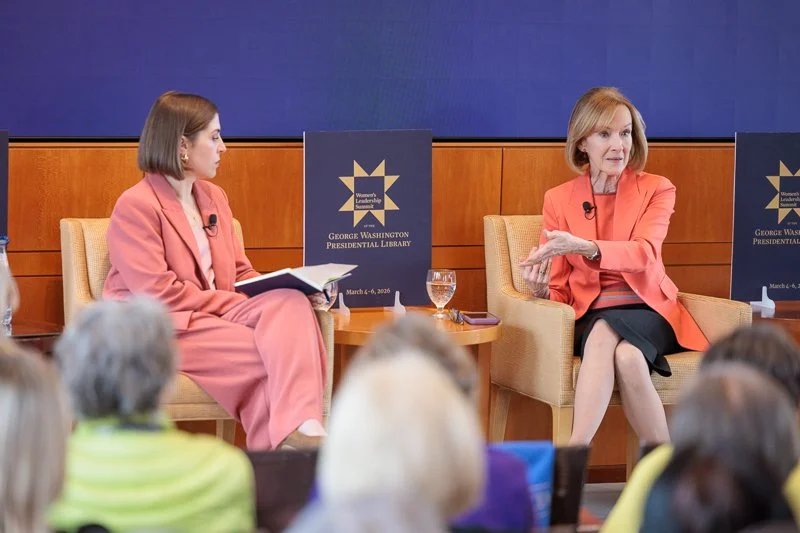
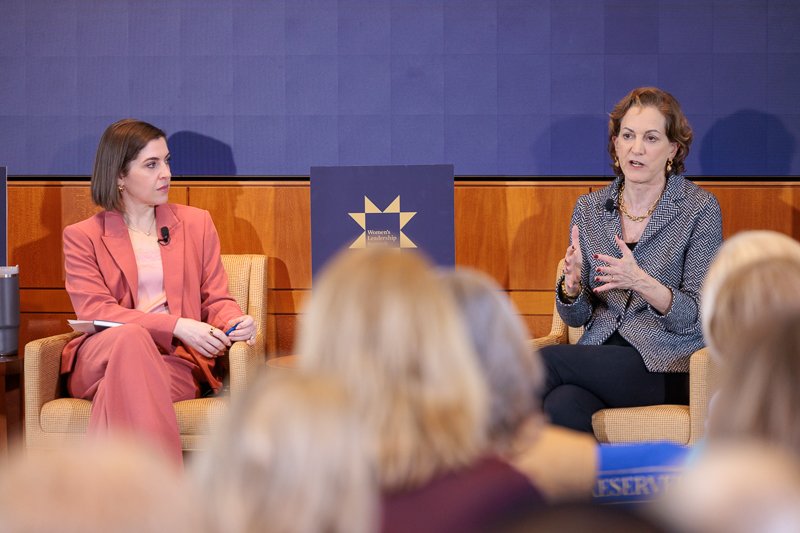
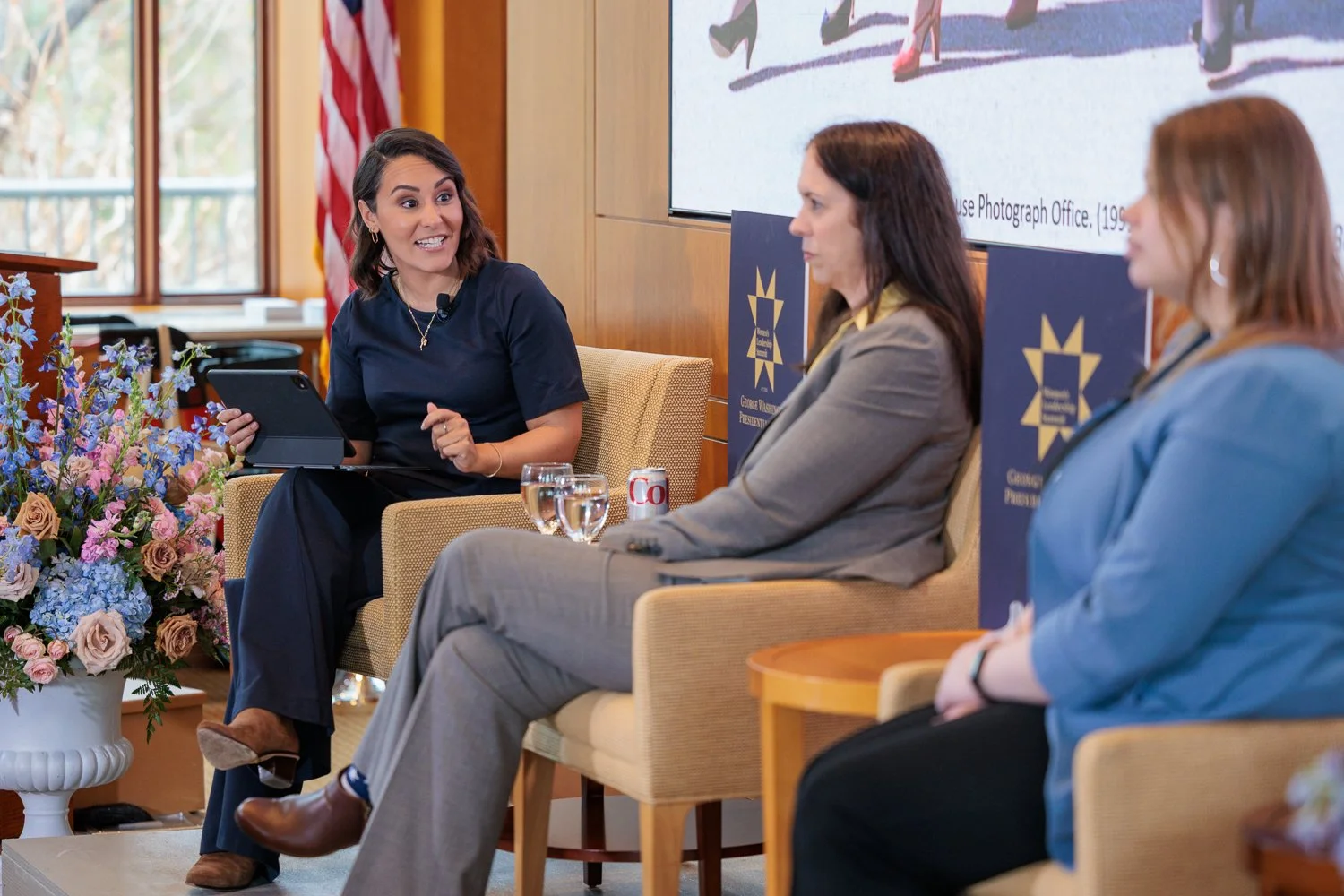
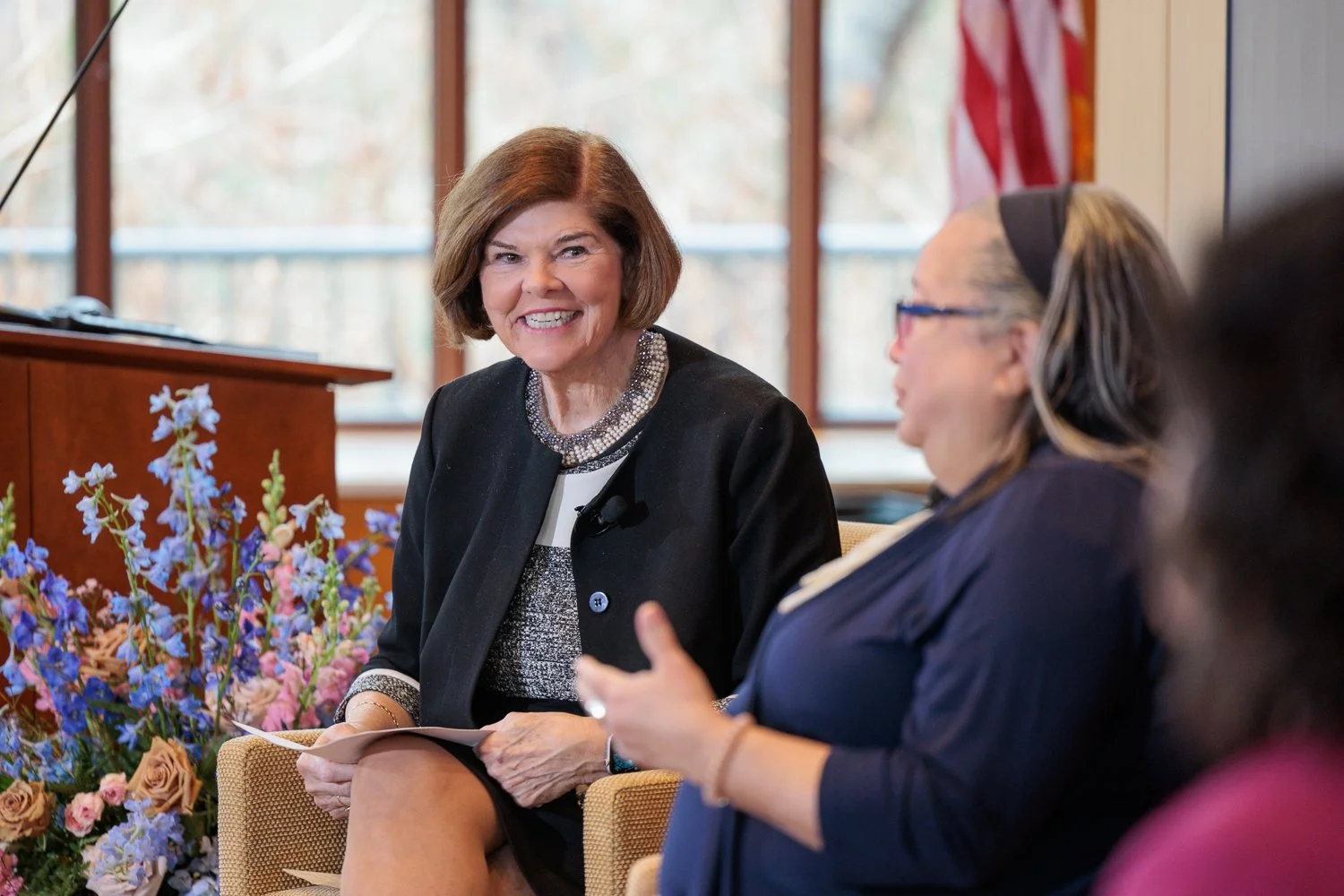
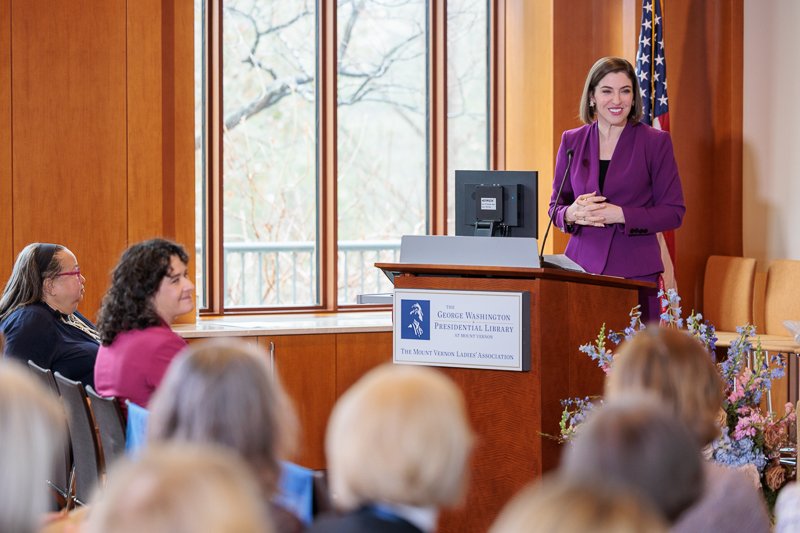
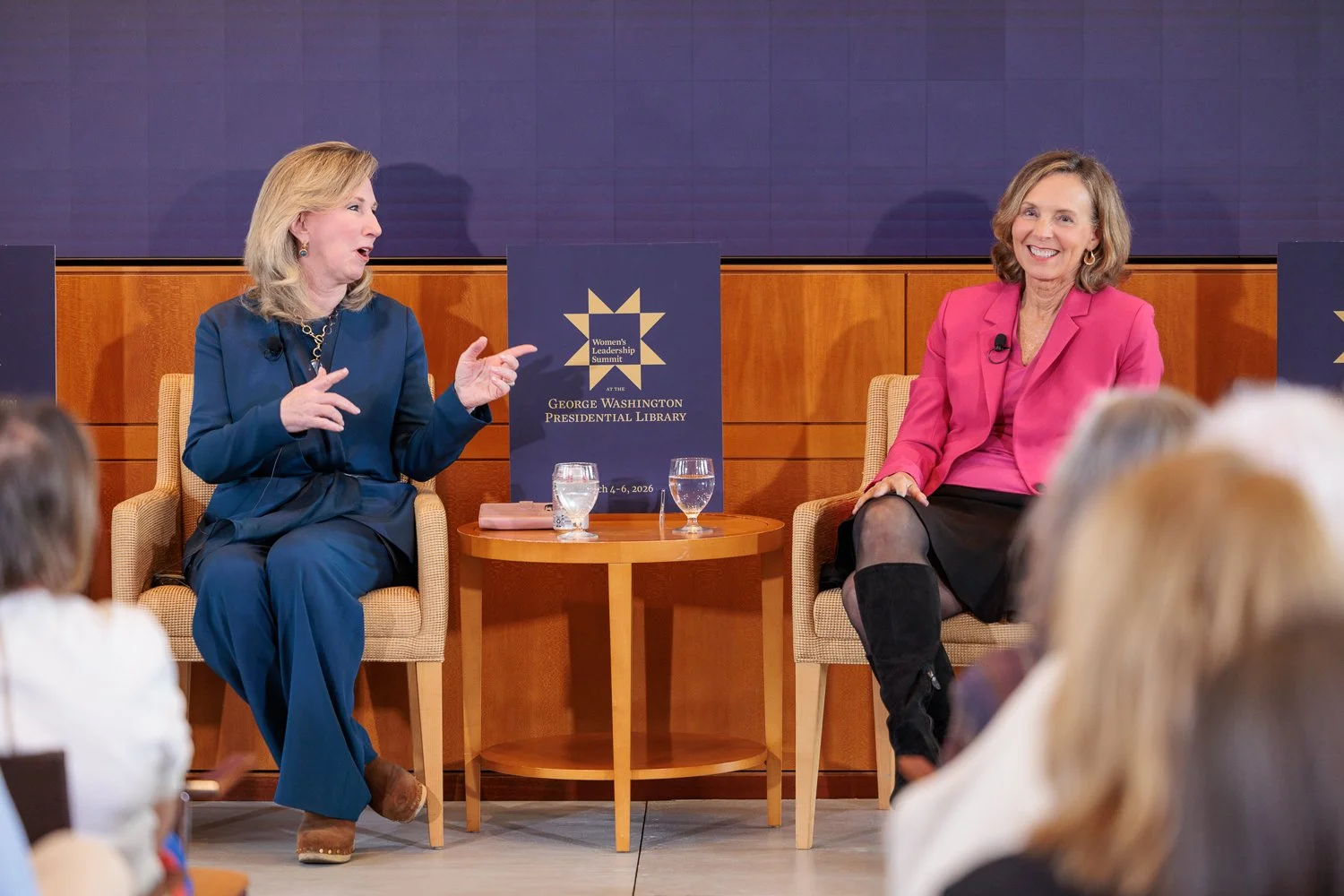
In better news, my Women’s Leadership Summit was a massive success. Thank you all for the encouragement and support! There are two great articles linked below under “Press,” but here are a few photos to give you a sense.