A History of Presidents’ Day
February 2026 Imperfect Union
Presidents’ Day is tomorrow and I think it is a deeply misunderstood and slightly problematic holiday. Not because we don’t have presidents worth celebrating—we do!—but because of the implications for the republic. I am going to share some history and suggest some alternatives.
But first, I have a big event coming up at work in a couple of weeks and I’m really proud of it. I want to share a bit of information about it here in case you missed the links on various social media channels. On March 4-6, the George Washington Presidential Library is hosting an inaugural Women’s Leadership Summit. We have a stellar lineup including Doris Kearns Goodwin, Anne Applebaum, Annette Gordon Reed, Colleen Shogan, Judy Woodruff, and Ali Vitali. We will be exploring women's roles in preserving history, shaping American memory, and crafting our national legacy. We will discuss first ladies, preservation societies, civics organizations, journalists, historians, public servants, and philanthropists. Most importantly, we will consider how we want to bring that leadership into our own lives as we celebrate the 250th anniversary of the country's birthday.
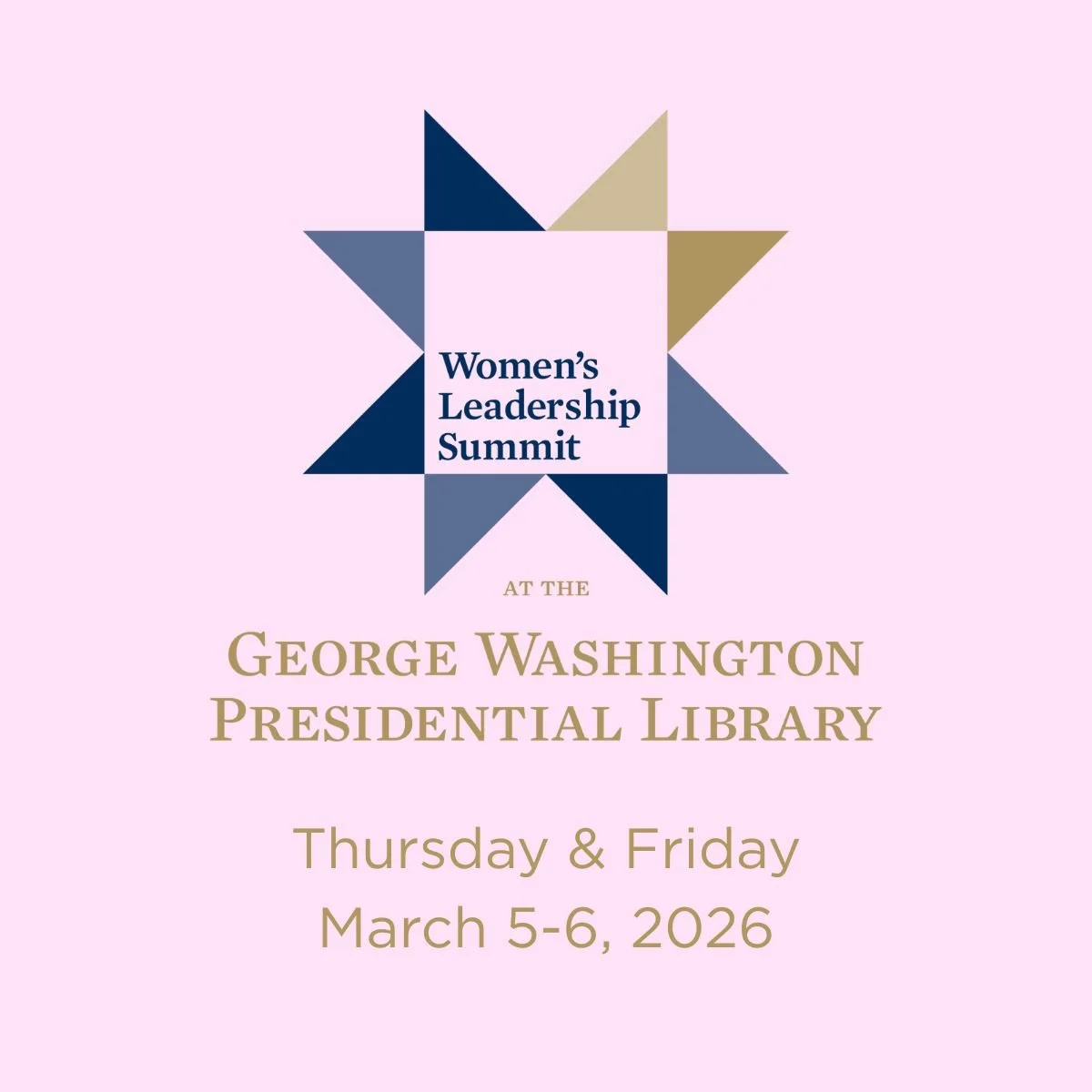
The ticket includes two breakfasts, two lunches, two evening receptions, and two days of programming, so it’s not cheap. But! There is a virtual option and there will be excellent networking and professional development opportunities, so please consider professional development funds! HERE is the link to register. I hope to see you there!
Ok, thanks for your patience and on to the history.
In the eighteenth century, American colonists celebrated the king’s birthday every year. Usually there was an officially designated day for birthday celebrations when the royal court would be in London, rather than on various travels. Americans took part in these celebrations with gusto, as they considered themselves to be the king’s most loyal subjects. The fervor of celebrations only increased after the British victory in the Seven Years’ War, in which the colonists had played an important role.
After the outbreak of the Revolutionary War, these celebrations ceased, but they left a hole. By 1778, newspapers publicized celebrations in honor of Washington’s birthday in Williamsburg, Virginia. Similar celebrations cropped up in the following years in other cities (not occupied by the British). Notably, these celebrations took place without Washington’s participation.
Washington’s inauguration as the first president on April 30, 1789, prompted an explosion of birthday celebrations across the nation. Gadsby’s Tavern, in Alexandria, Virginia, started hosting birthnight balls in the 1790s. In 1798 and 1799, Washington attended the festivities.
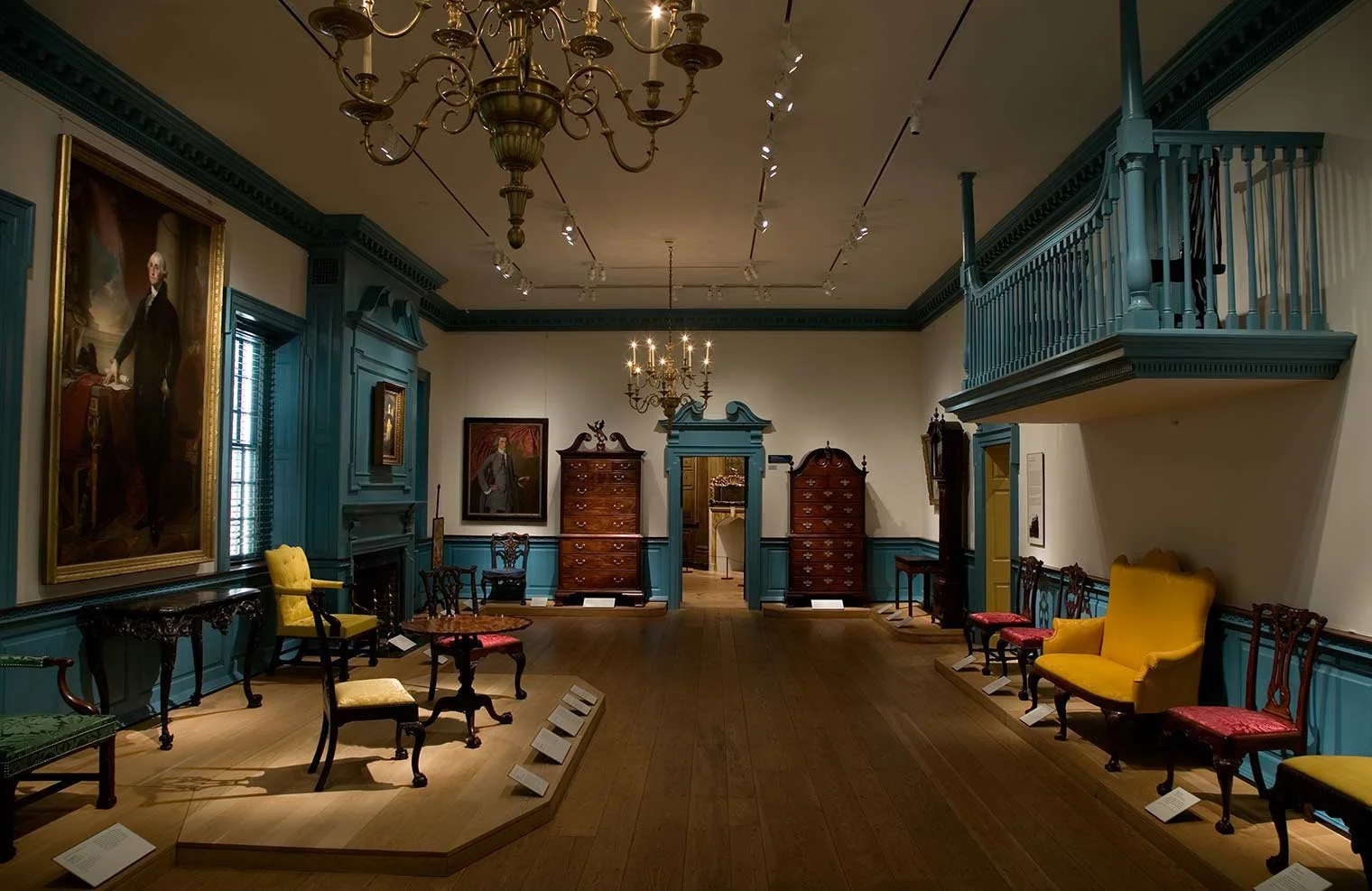
These celebrations continued after Washington left office, but were haphazard and on a state-by-state basis. In 1879, Congress passed a law making February 22 (Washington’s birthday) a holiday in Washington, D.C. In 1885, they expanded the holiday to all federal offices.
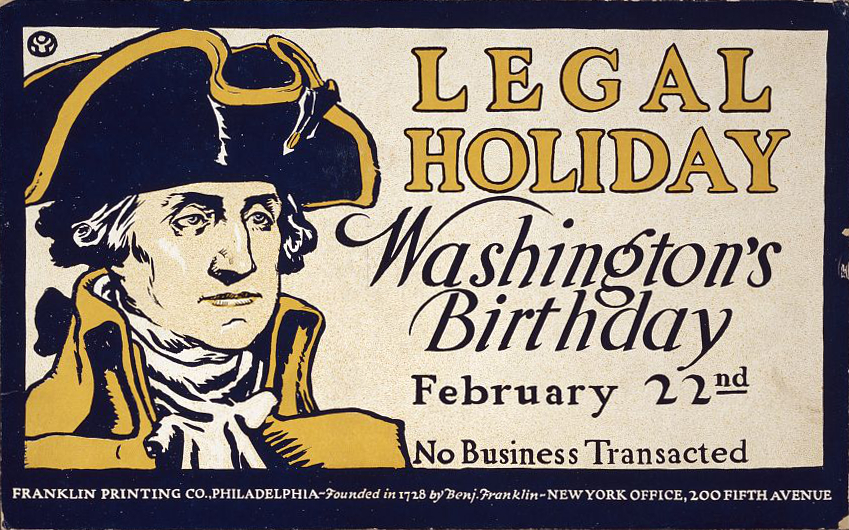
In 1968, Congress passed the Uniform Monday Holiday Act, which moved most observed holidays to Mondays. This bill allowed more workers to take long weekends, but also increased efficiency and productivity, because you didn’t have people taking random days off here and there. When the bill went into effect in 1971, it established the official Washington’s Birthday recognition as falling on the third Monday of February.
At the time, there was discussion about expanding the holiday to include Abraham Lincoln, as his birthday falls on February 12. Representative Robert McClory of Illinois led these efforts. While the holiday remains officially Washington’s birthday, many states began referring to it as Presidents’ Day anyway. In the 1980s, retailers used Presidents’ Day in the sales campaigns, further embedding it in the American imagination.
Not all states have fallen in line, however. Indiana recognizes Abraham Lincoln’s birthday the day after Thanksgiving and Washington’s birthday in December. Georgia observes Washington’s birthday on December 24. They acknowledge the original dates, but move the holidays to provide sensible vacation days for employees. And Alabama includes Thomas Jefferson in its celebrations.
If that is the history, then here are my thoughts. In general, I am uncomfortable celebrating birthdays of public figures. It feels too monarchical to me. Kings are celebrated from birth because their arrival marks the continuation of a hereditary dynasty. Many monarchs justified their rule based on divine right—power inherently granted by God. Their births, therefore, were a religious event.
Presidents have nothing to do with their birth and often much of their lives are unremarkable. It would be much more republican, and therefore much more American, to celebrate their deeds. Take for example, Washington’s return of his commission in December 1783 (and thus preventing a military dictatorship). Or the second time he relinquished power with the Farewell Address. We could celebrate Abraham Lincoln’s Emancipation Proclamation. These are exceptional moments in our history and deserve to be remembered.
If we must have the holiday, I’d prefer we return to its original roots and celebrate Washington and perhaps Lincoln. Can anyone really make the argument that Millard Fillmore and John Tyler, let alone Andrew Johnson or James Buchanan, belong in the same group as Washington and Lincoln? By celebrating all of them in this way, we run the risk of thinking of presidents as semi-god-like figures, rather than just citizens who hold extraordinary power during their tenure in office.
Let me be super clear, I am not trying to cancel the presidency or the holiday because of any one occupant. I believe in celebrating moments of greatness and I’ve devoted my work to sharing the legacy of the founding generation. We must respect the office, but I’m not sure we need to celebrate all of the people that occupied it as equally worthy of recognition.
While the holiday exists, however, it is an excellent opportunity to learn about the presidency and reflect on its role in our lives today. Where did it start? Where is it now? Where do we want it to go? That is a great use of the holiday.